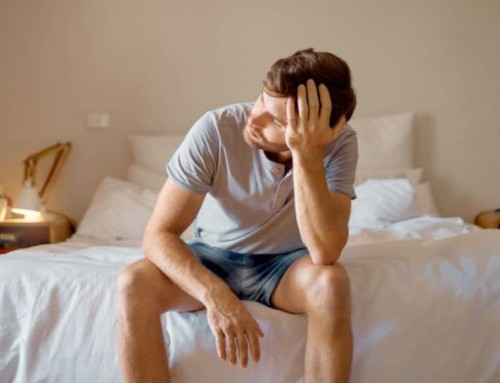
 Many patients seeking sleep apnea treatment in Detroit begin with CPAP therapy. While CPAP remains an effective treatment for many people with obstructive sleep apnea, not everyone finds it comfortable or easy to use consistently. If you’re struggling with mask discomfort, dry mouth, machine noise, or difficulty sleeping with CPAP, you may be wondering whether another option is available.
Through the SLEEP APNEA PRECISION APPROACH™, Dr. Jeffrey Haddad helps patients explore personalized treatment solutions based on their airway health, jaw function, and lifestyle needs. For many individuals, oral appliance therapy provides a comfortable and effective alternative to CPAP.
Why Patients Look For CPAP Alternatives
CPAP therapy works best when it is used consistently, but many patients find long-term compliance challenging. Even when treatment is effective, the experience of wearing a mask and sleeping with a machine can make it difficult to maintain.
Common reasons patients seek CPAP alternatives include:
- Mask discomfort
- Dry mouth and throat irritation
- Air leaks
- Skin irritation
- Claustrophobia
- Machine noise
- Difficulty traveling with equipment
- Trouble sleeping comfortably
For patients who struggle with these issues, finding a more practical solution can be an important step toward better sleep and improved health.
What Is Oral Appliance Therapy?
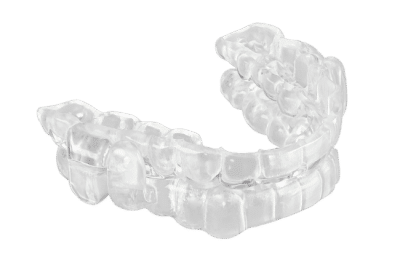
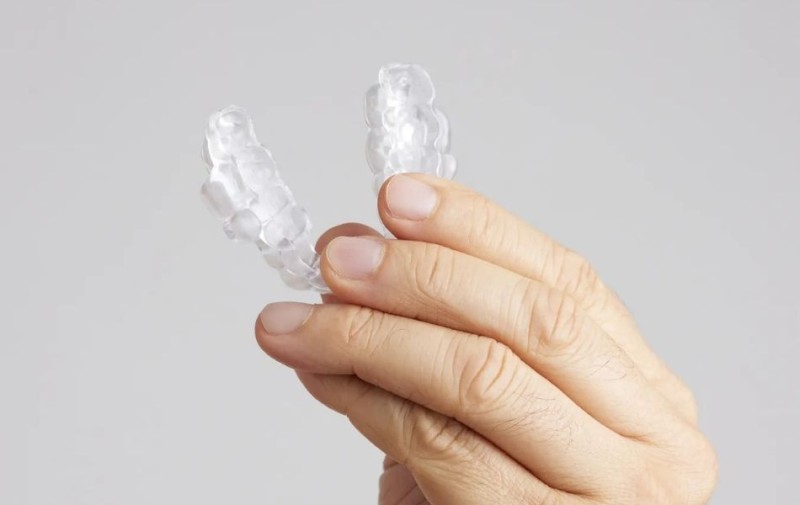
Oral appliance therapy is a non-invasive treatment that uses a custom-made device worn while sleeping. Similar in appearance to a mouthguard, the appliance gently positions the lower jaw to help keep the airway open throughout the night.
For patients exploring CPAP alternatives in Detroit, oral appliance therapy offers a convenient option that does not require masks, hoses, batteries, or bulky equipment. Because the appliance is small and portable, many patients find it easier to use consistently both at home and while traveling.
How Oral Appliances Work
Obstructive sleep apnea occurs when the airway becomes partially or completely blocked during sleep. Oral appliances help reduce airway collapse by supporting the jaw in a position that promotes better airflow.
Rather than using pressurized air like CPAP, oral appliance therapy works mechanically to help maintain an open airway throughout the night. This can reduce breathing interruptions, decrease snoring, and improve sleep quality.
Benefits Of Oral Appliance Therapy
Many patients choose oral appliance therapy because it offers a simpler and more comfortable treatment experience.
Potential benefits include:
- Comfortable custom fit
- No masks or tubing
- Quiet operation
- Easy travel and storage
- Simple maintenance
- Reduced snoring
- Improved treatment compliance
- Effective treatment for many patients with mild to moderate obstructive sleep apnea
Because oral appliances are easy to wear and transport, many patients find it easier to remain consistent with treatment over the long term.
CPAP Vs Oral Appliance Therapy
Both CPAP and oral appliance therapy can be effective sleep apnea treatments. The right choice depends on the severity of your condition, your airway anatomy, your comfort preferences, and your ability to use treatment consistently.
CPAP uses continuous air pressure to prevent airway collapse during sleep. Oral appliance therapy works by supporting the jaw and airway in a more favorable position.
For some patients, CPAP remains the best treatment option. For others, oral appliance therapy provides a more comfortable and practical solution. The goal is not simply choosing a treatment—it is choosing a treatment you can successfully use night after night.
Are You A Candidate For Oral Appliance Therapy?
Many patients seeking sleep apnea treatment in Detroit are excellent candidates for oral appliance therapy.
You may benefit from treatment if you:
- Have mild to moderate obstructive sleep apnea
- Struggle to tolerate CPAP
- Travel frequently
- Snore heavily
- Prefer a non-invasive treatment option
- Want a quieter and more portable solution
The best way to determine whether oral appliance therapy is appropriate for your situation is through a comprehensive evaluation.
Transitioning From CPAP To Oral Appliance Therapy
Making the switch from CPAP to oral appliance therapy is typically a straightforward process when guided by an experienced provider.
The first step is a comprehensive evaluation to determine whether oral appliance therapy can effectively address your sleep apnea. If you are a candidate, digital scans or impressions are used to create a custom appliance designed specifically for your mouth and airway.
Once your appliance is delivered, adjustments can be made to maximize both comfort and effectiveness. Follow-up appointments allow treatment to be refined as needed, and additional sleep testing may be recommended to confirm successful results.
Most patients adapt quickly and find the transition significantly easier than expected.
The SLEEP APNEA PRECISION APPROACH™
At Michigan Center for TMJ & Sleep Wellness, Dr. Jeffrey Haddad developed the SLEEP APNEA PRECISION APPROACH™ to provide a more personalized approach to sleep apnea treatment.
Rather than relying on a one-size-fits-all solution, this process evaluates airway health, breathing patterns, jaw function, and lifestyle considerations to determine the most appropriate treatment recommendation.
Dr. Haddad has helped patients throughout the Detroit area find effective alternatives to CPAP through customized oral appliance therapy and comprehensive dental sleep medicine solutions. By focusing on both airway health and long-term comfort, patients can achieve better sleep while maintaining a treatment plan they can realistically follow.
Explore Your CPAP Alternatives In Detroit
If you’re frustrated with CPAP or looking for a more comfortable way to manage sleep apnea, oral appliance therapy may be the solution you’ve been searching for.
Through the SLEEP APNEA PRECISION APPROACH™, Dr. Jeffrey Haddad helps patients identify effective alternatives to CPAP that support healthier breathing, improved sleep quality, and better overall health. If you’re searching for a CPAP alternative or sleep apnea treatment in Detroit, schedule a consultation today to learn whether oral appliance therapy is right for you.