

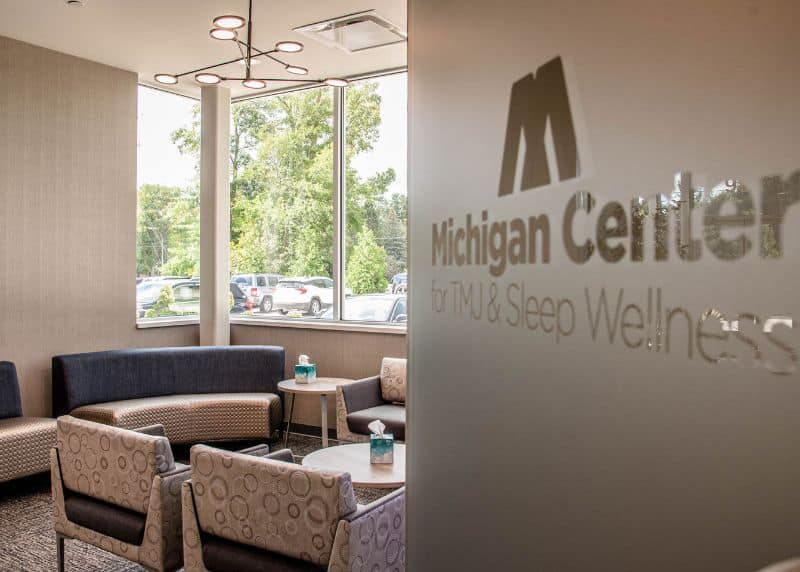
Frequently Asked Questions

We understand that patients often have questions about TMJ disorders, sleep-related breathing conditions, and available treatment options. Browse our frequently asked questions to learn more about symptoms, diagnosis, treatment, and what you can expect throughout your care journey.

We understand that patients often have questions about TMJ disorders, sleep-related breathing conditions, and available treatment options. Browse our frequently asked questions to learn more about symptoms, diagnosis, treatment, and what you can expect throughout your care journey.

TMJ disorder (also called TMD) refers to problems with the temporomandibular joints, which connect your jaw to your skull. When these joints, the surrounding muscles, or your bite are not working together properly, you may experience pain, clicking or popping sounds, headaches, or difficulty chewing.

Common symptoms include jaw pain, stiffness, clicking or popping noises, headaches, earaches, dizziness, neck or shoulder pain, and teeth grinding. Some patients also notice worn or sensitive teeth caused by clenching.

Treatment for TMJ varies depending on the severity of your condition. Options may include a custom orthotic appliance, bite adjustments, physical therapy, or restorative dentistry. Neuromuscular approaches aim to realign the bite and restore harmony between the joints, muscles, and teeth.

A TMJ orthotic is made to be durable and long-lasting. With proper care, many patients use their orthotic for several years. Over time, minor adjustments may be needed as your bite changes or symptoms improve.

Smiling woman leaning forward, conveying warmth, confidence, and improved quality of life.
Smiling man outdoors, conveying improved energy, vitality, and quality of life after treatment.

We have an excellent success rate in treating TMJ patients once it is determined that you are a candidate for care. Our number one goal is to minimize your pain and help you return to living the quality life you deserve. Thanks to precise technology, we can predictably identify your jaw’s most comfortable physiological resting position.

Because of this, we offer a 60-day money-back guarantee if you experience zero relief in your symptoms (as long as all of the doctor’s recommendations are followed). Dr. Haddad has been successfully treating TMJ patients for nearly 20 years. He knows who he can help and will not recommend this treatment path unless he is confident it is right for you.

Dental sleep medicine focuses on treating sleep-related breathing disorders, such as obstructive sleep apnea and snoring, through oral appliance therapy instead of CPAP.

An oral appliance is a custom-fitted device that gently moves the lower jaw forward. This helps keep the airway open, reducing snoring and improving airflow so you can breathe more easily during sleep.

For patients with mild to moderate sleep apnea, oral appliances are often just as effective as CPAP. Many patients prefer them because they are smaller, quieter, more comfortable, and easier to travel with.

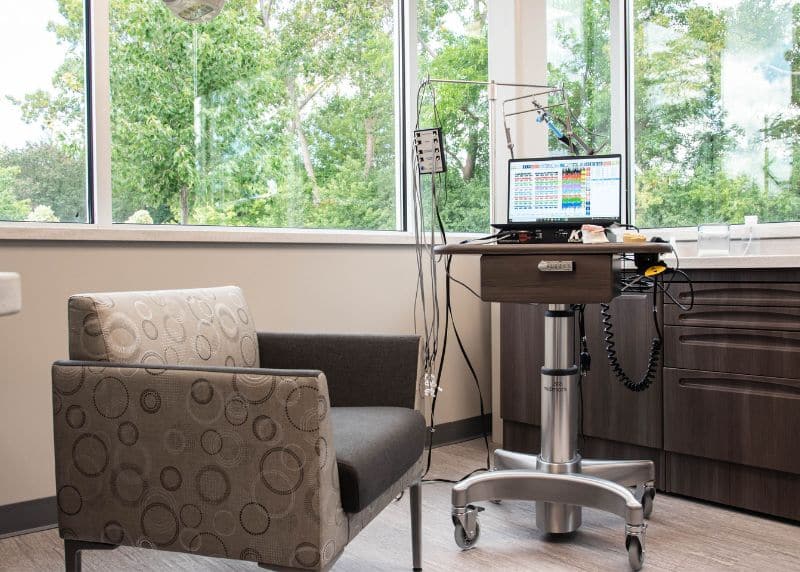
Interior of Detroit TMJ and sleep therapy office with advanced diagnostic equipment and a welcoming patient environment.
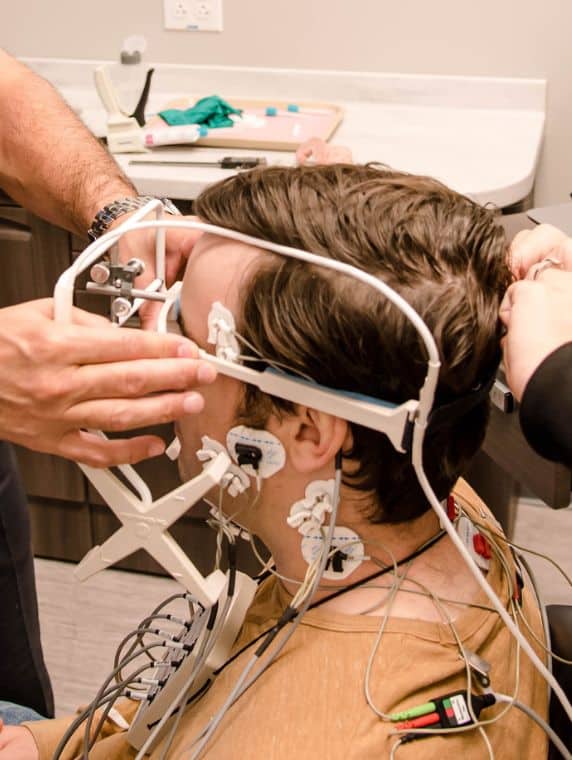
Patient undergoing computerized TMJ evaluation with jaw-tracking sensors and diagnostic equipment.
Entrance to Michigan Center for TMJ & Sleep Wellness, welcoming patients to the Detroit-area clinic.
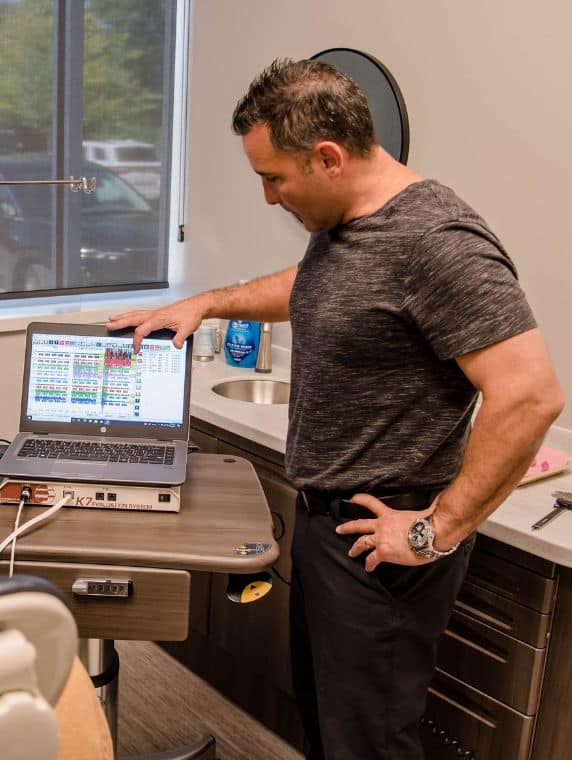
Dr. Haddad reviewing computerized TMJ diagnostic data to guide personalized treatment planning.
Michigan Center for TMJ & Sleep Wellness reception area, designed to provide a comfortable and welcoming patient experience.
Most people with mild to moderate obstructive sleep apnea, as well as those who snore but do not have apnea, may benefit from an oral appliance. It is also an excellent option for patients who cannot tolerate CPAP.

Yes. Since both conditions involve the jaw and airway, a dentist trained in TMJ treatment and dental sleep medicine can address both. In some cases, patients with TMJ also have sleep apnea, and treating both together can provide better results.

During your first visit, the dentist will review your medical history, discuss your symptoms, and perform an examination. If you are being evaluated for sleep apnea, a sleep study may also be recommended. From there, a personalized treatment plan will be created.

The entire therapy treatment includes:

  • A CBCT X-ray and radiology report
  • A custom TMJ neuromuscular orthotic
  • Laser therapy
  • TENS sessions
  • Up to four adjustments on the orthotic
  • A TMJ night-time (LUTED orthotic) if necessary
  • A complimentary two-hour final consultation at the end of treatment

This comprehensive approach ensures that your therapy is fully supported from start to finish.

When it comes to insurance companies, every provider and plan is different. Some claim to offer a TMJ benefit, but often the coverage is limited to a basic bite guard from your dentist. Our office works hard on your behalf by preparing medical necessity letters, itemized billing codes, and detailed receipts so you can submit a claim for possible reimbursement. However, there is no average or guarantee on how much—if any—reimbursement you may receive.

To make treatment more accessible, we offer a convenient program through CareCredit financing that provides an 18-month, zero-interest option with manageable monthly installments. We also accept credit cards, Health Savings Account (HSA) cards, checks, or cash. For patients who prefer to pay in full up front, we provide discounts as an added benefit.

Did you not see your question here? Call our office today at (248) 480-0085 to learn more and schedule a complimentary telehealth consultation.
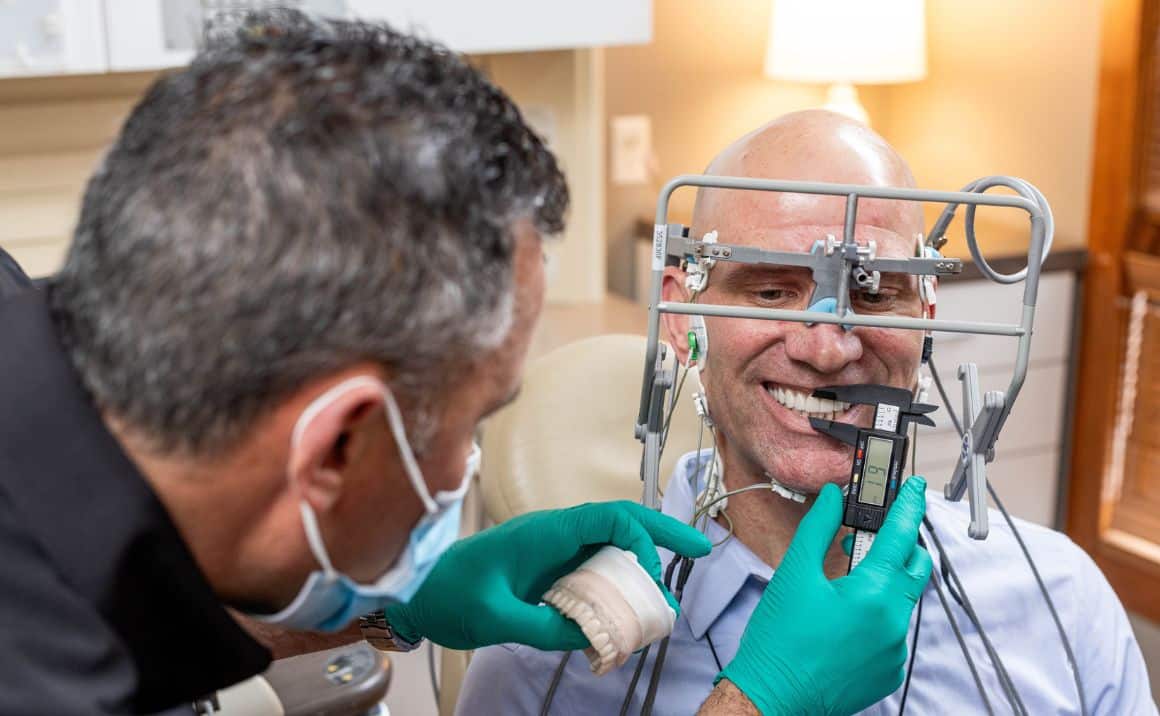

Dr. Haddad measuring a patient's jaw position during oral appliance fitting for sleep apnea treatment.
Dental organization logos

Hear From Our Patients

Hear From Our Patients

Dental organization logos

Start Living Again

Patient Education Articles

Patient Education Articles

Explore our collection of patient education articles to learn more about TMJ disorders, sleep apnea, and the treatment options available to improve your health and quality of life. These resources are designed to help you better understand your symptoms, conditions, and path to lasting relief.

Go to Top