



Sleep Apnea Treatment in Detroit: The SLEEP APNEA PRECISION APPROACH™
Most sleep apnea treatment follows the same script: a diagnosis, a CPAP machine, and a follow-up if you complain. Dr. Haddad built the SLEEP APNEA PRECISION APPROACH™ because that script fails too many people.
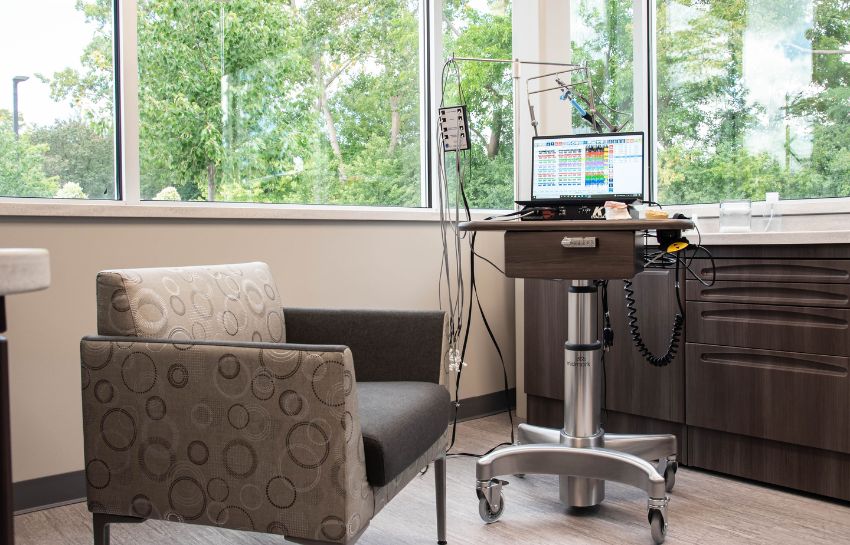
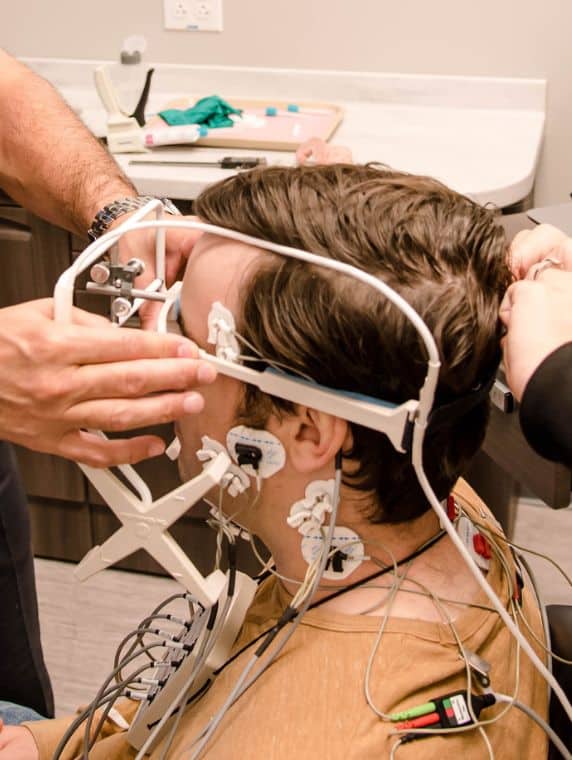
Instead of guessing, Dr. Haddad measures. CBCT 3D imaging visualizes your airway. Digital scanning captures your bite and jaw relationship. Sleep data confirms what is actually happening at night. Together, these findings show precisely where and why your airway is collapsing, and exactly what jaw position keeps it open.
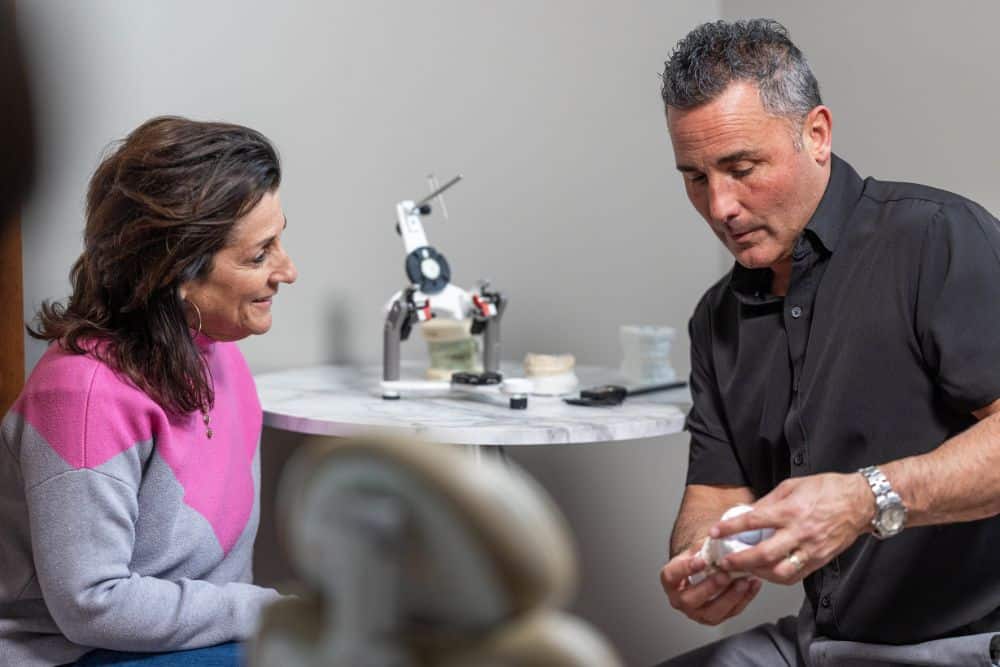
For many patients with mild to moderate obstructive sleep apnea, the answer is computer-guided oral appliance therapy using a custom ProSomnus appliance. Rather than forcing air past an obstruction, as CPAP does, the appliance is engineered to hold your jaw in the exact position identified by the diagnostic data, keeping your airway open naturally. No mask, no hose, no machine humming beside your bed. Just a small, comfortable device and, for most patients, the first real sleep they have had in years.
Or Call (248) 480-0085
Sleep Apnea and TMJ Connection
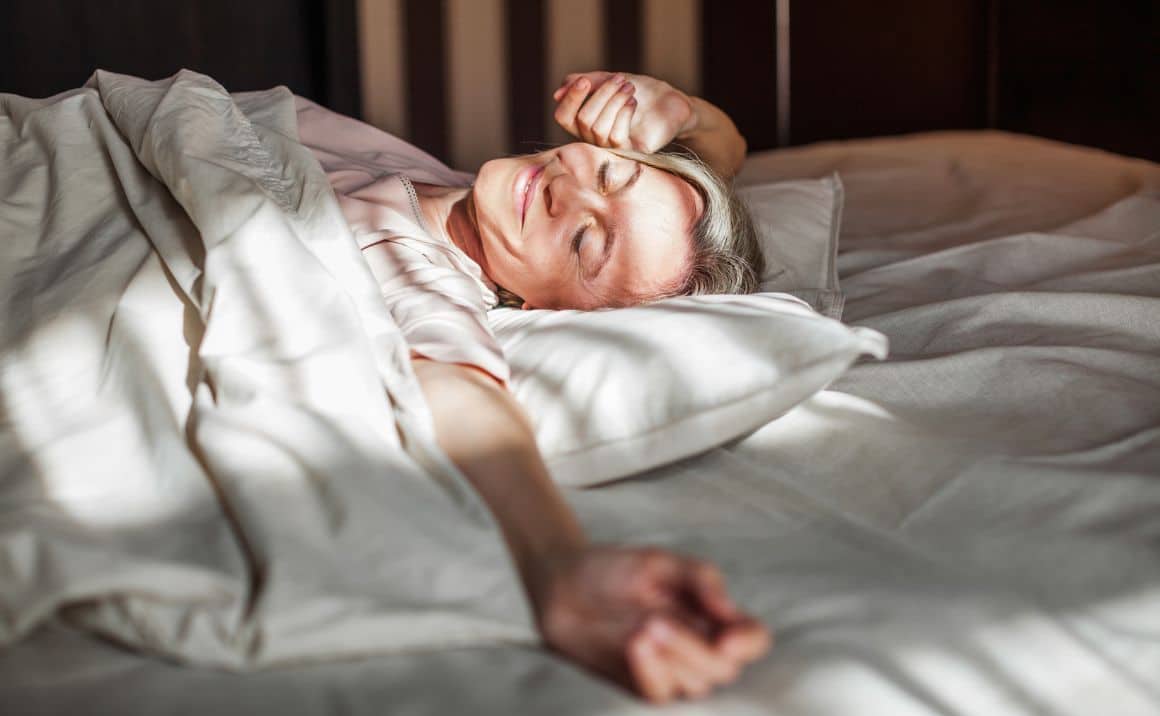
Sleep apnea and TMJ disorders are often two symptoms of the same underlying problem: a jaw that is not where it should be. Many patients with sleep-disordered breathing also clench at night, wake with jaw tension, or live with facial pain they never thought to mention at a sleep appointment.
This is where treating both conditions under one roof matters. A sleep appliance made without regard for jaw function can relieve apnea while creating jaw pain. Dr. Haddad evaluates airway and jaw function together, so your treatment improves your breathing without trading one problem for another.
Or Call (248) 480-0085
Why Patients Travel to See Dr. Haddad
Dr. Jeffrey Haddad is an LVI Fellow and a nationally recognized educator who teaches dentists and physicians nationwide to diagnose and treat sleep apnea and TMJ disorders. The clinicians learning these methods are learning them from him.
That is why patients drive past dozens of closer providers to reach this office, and why physicians and dentists refer their most difficult cases here, including patients who cannot tolerate CPAP, patients whose appliances from other offices failed, and patients whose symptoms never quite fit the standard diagnosis. If you have already tried treatment and been disappointed, a second opinion may change everything. You can learn more about Dr. Haddad’s training and credentials on our About page.
Or Call (248) 480-0085


Types of Sleep Apnea
There are three primary types of sleep apnea. All involve interrupted breathing during sleep, but the causes differ, and so do the treatments.
Obstructive Sleep Apnea (OSA)
Obstructive sleep apnea is the most common form. It occurs when the airway becomes physically blocked during sleep, often due to:
- Relaxation of soft tissues such as the tongue and soft palate
- The position of the lower jaw, which directly affects how much space the airway has
- Enlarged tonsils, adenoids, or nasal obstruction
Because jaw position is such a significant factor, a dentist with advanced airway training is often uniquely positioned to identify and treat OSA. This is where Dr. Haddad’s dual focus on jaw function and sleep sets his evaluation apart.
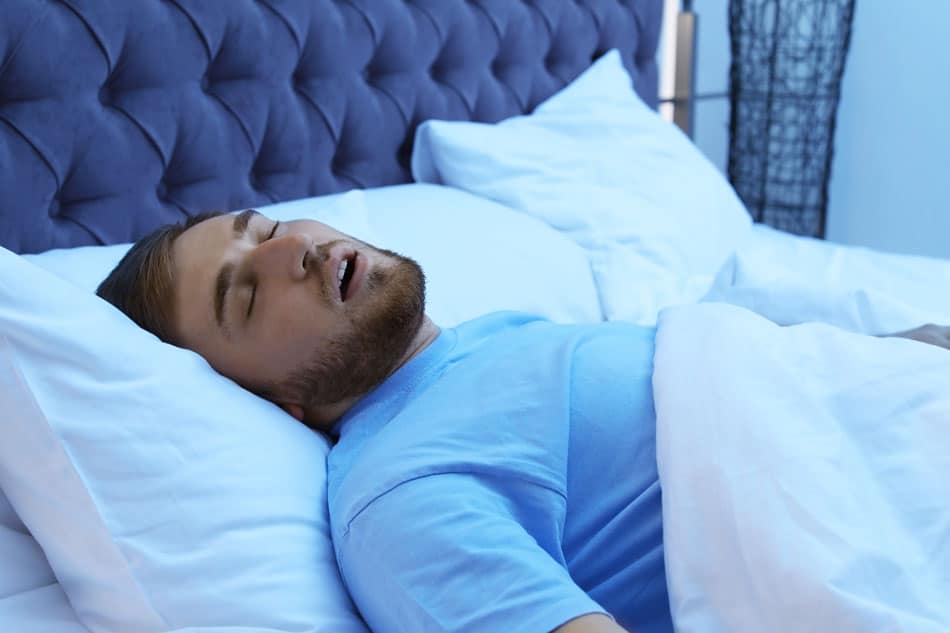
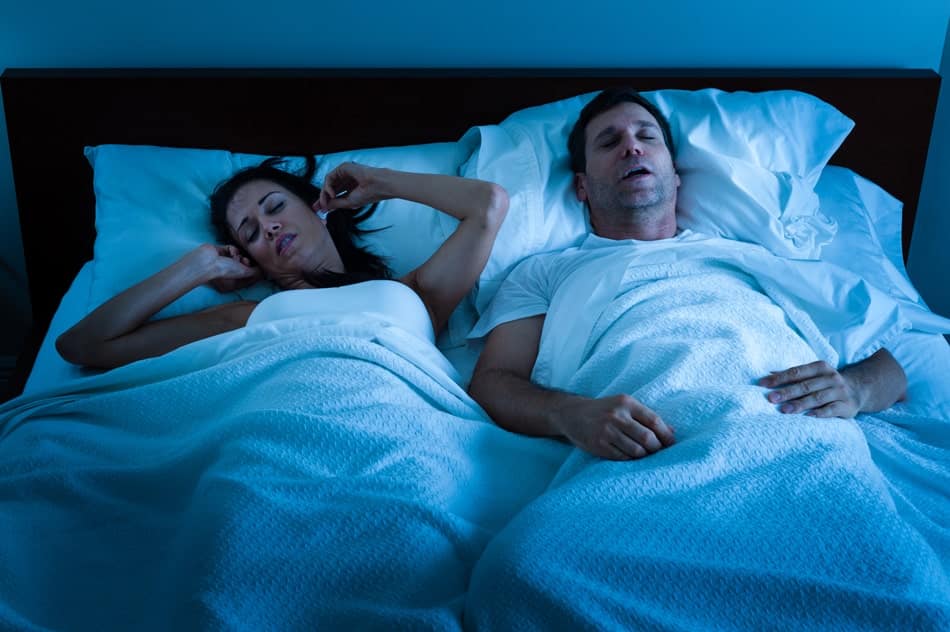
Central Sleep Apnea
Central sleep apnea occurs when the brain fails to send proper signals to the muscles that control breathing. There is no physical blockage. This form is less common and typically requires coordinated medical management, which we help arrange when indicated.
Complex Sleep Apnea
Complex sleep apnea combines features of both obstructive and central sleep apnea and is sometimes only identified after treatment begins. Cases like these are exactly why a one-size-fits-all approach fails, and why every treatment plan here starts with objective diagnostic data.
Why Treating Sleep Apnea Matters
Sleep is when your brain files memories, clears metabolic waste, and resets for the day ahead, and when your body repairs tissue and regulates hormones. Every time your breathing stops, that work stops with it.
Over time, untreated sleep apnea may contribute to:
- Difficulty concentrating and memory impairment
- Mood disturbances and irritability
- Chronic fatigue that no amount of coffee fixes
- Increased long-term risk of cardiovascular problems and cognitive decline
The real cost is measured in quality of life: energy you do not have for your family, focus you cannot bring to your work, and years of feeling like a diminished version of yourself. Treatment is how you get those back.
Or Call (248) 480-0085
Symptoms of Sleep Apnea
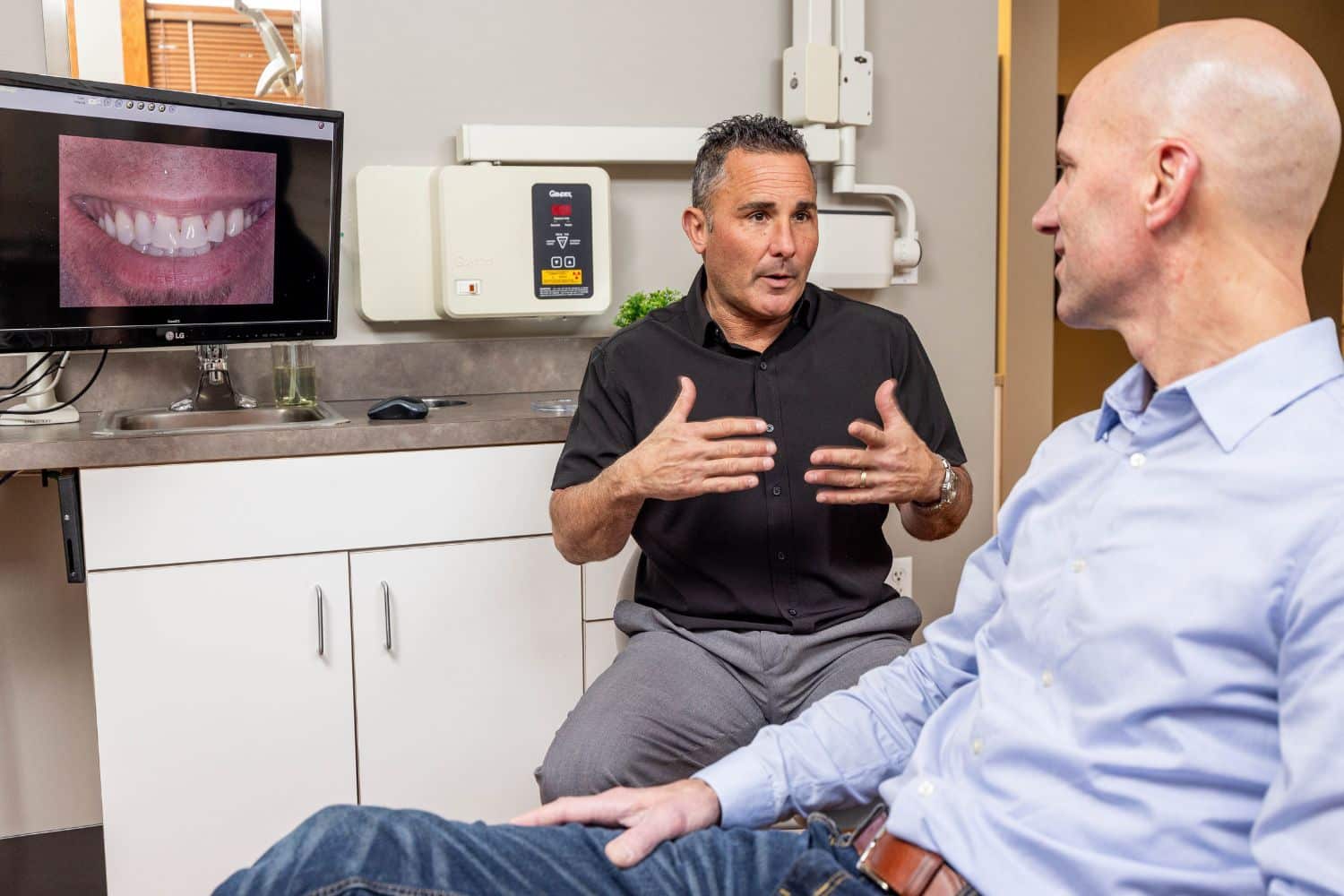
Sleep apnea hides in plain sight. Because the breathing interruptions happen while you sleep, most people only see the aftermath: dragging through the afternoon, snapping at people you love, reading the same paragraph three times, waking with a pounding head or a bone-dry mouth. Many patients spend years blaming stress, age, or a busy schedule before anyone connects the dots.
If you feel unrefreshed no matter how long you sleep, struggle with focus and memory, or have been told you snore, gasp, or stop breathing at night, those are not personality traits or facts of life. They are symptoms, and they are treatable. A professional evaluation, often starting with a simple home sleep study, can identify the source of the problem.
Find Sleep Apnea Treatment in Detroit
You do not have to keep pushing through exhaustion, and you do not have to settle for a treatment you cannot tolerate. Patients throughout Detroit, across Michigan, and beyond trust Dr. Haddad to find answers where other evaluations came up empty.
Schedule your evaluation with Dr. Jeffrey Haddad today, or call (248) 480-0085 to take the first step toward waking up rested, clear-headed, and ready for your life again.
Or Call (248) 480-0085
Frequently Asked Questions
Sleep Apnea FAQs
Sleep Apnea FAQs
We know that exploring sleep apnea treatment raises questions, especially if a previous treatment did not work for you. Here are answers to the questions we hear most often.
