



Before Choosing A Snoring Treatment
Because chronic snoring is one of the most common symptoms of obstructive sleep apnea, identifying the cause of your snoring is an important first step. Successful snoring treatment in Detroit begins with determining whether sleep apnea or another sleep breathing disorder may be contributing to your symptoms.
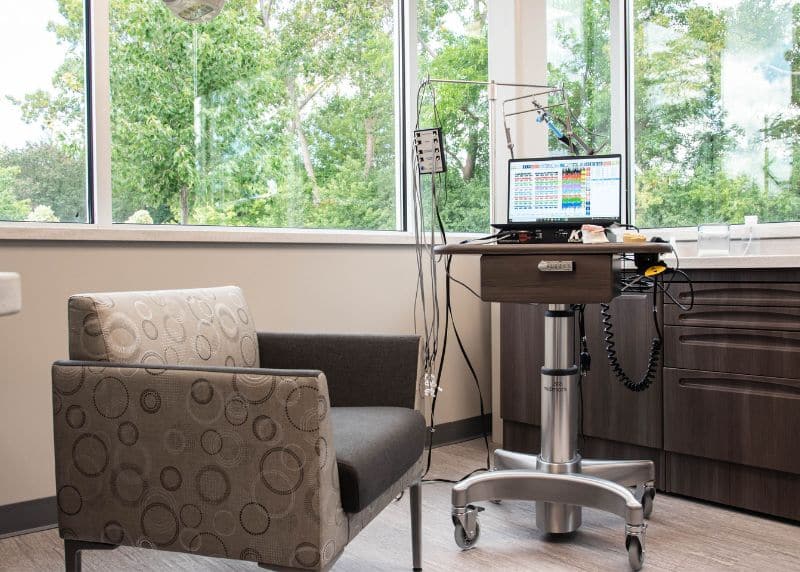
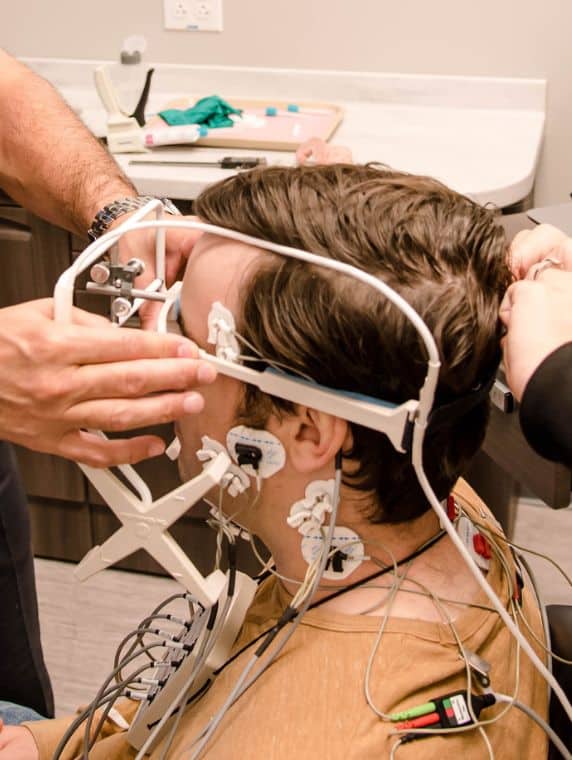
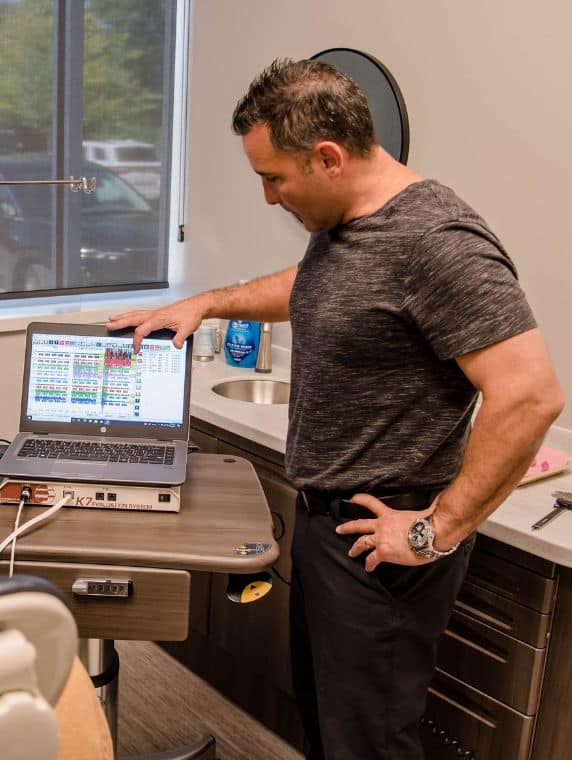
A comprehensive evaluation and, when appropriate, a sleep study can help determine whether sleep apnea is present. This information allows snoring treatment in Detroit to focus on the underlying cause rather than simply reducing the sound of snoring.
Oral Appliance Therapy
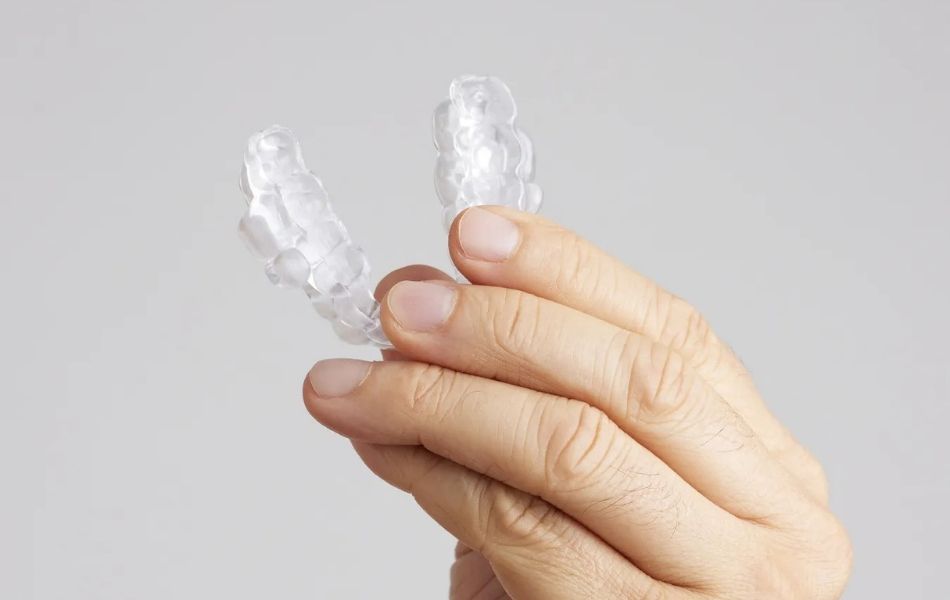
Oral appliance therapy is one of the most effective options for snoring treatment in Detroit. These custom-made appliances are designed to gently reposition the jaw during sleep, helping maintain an open airway and reduce the vibrations that contribute to snoring.
Because the jaw plays an important role in supporting the airway, even small adjustments in jaw position can improve airflow and significantly reduce snoring. Comfortable, portable, and easy to use, oral appliance therapy is a popular non-surgical solution for patients seeking long-term snoring treatment in Detroit.
Or Call (248) 480-0085



Home Remedies For Snoring
Professional snoring treatment in Detroit offers the most reliable way to identify the cause of chronic snoring and determine the most effective solution. However, some people may notice improvement by addressing contributing factors at home. Because snoring can develop for many different reasons, simple lifestyle changes and home remedies may help reduce symptoms in certain situations and can be a helpful starting point while exploring treatment options.
Reduce Airway Irritation
When nasal congestion, allergies, or airway irritation contribute to snoring, taking steps to improve nasal breathing may help reduce symptoms. Managing seasonal allergies, improving indoor air quality, and limiting exposure to common irritants can sometimes make breathing easier during sleep and lead to quieter, more restful nights.


Maintain A Healthy Weight
Excess weight can place additional pressure on the airway and increase the likelihood of snoring during sleep. For some individuals, maintaining a healthy weight and staying physically active may help improve airflow, reduce airway restriction, and lessen the severity of snoring.
Change Your Sleep Position
Sleep position can have a significant impact on snoring. For many people, sleeping on the back allows the tongue and soft tissues to shift backward, increasing airway restriction. Sleeping on the side may help promote better airflow and reduce snoring in certain situations.


Limit Alcohol Before Bedtime
Alcohol can relax the muscles that help support the airway during sleep. For some individuals, this increased relaxation may worsen snoring and contribute to greater airway restriction. Limiting alcohol consumption in the hours before bedtime may help reduce snoring and support healthier breathing during sleep.
Quit or Reduce Smoking
Smoking can irritate and inflame the tissues of the airway, increasing the likelihood of airway restriction and snoring during sleep. Reducing or eliminating tobacco use may help improve breathing, reduce snoring symptoms, and support both sleep quality and overall health.


Be Careful With Over-The-Counter Products
Many over-the-counter snoring remedies offer limited results. Nasal strips may help if nasal congestion is contributing to snoring, but sprays and generic mouthpieces are often less effective. Poorly fitted mouthpieces may also cause jaw discomfort or contribute to TMJ-related symptoms over time.

Surgical Treatment for Snoring
While surgery is sometimes used as part of snoring treatment in Detroit, it is typically considered only after the underlying cause of the snoring has been identified. Because snoring can originate from multiple areas of the airway, surgery is not always the most predictable or effective solution.
Many patients first explore conservative treatment options, such as oral appliance therapy, before considering a surgical procedure. When surgery is recommended, the goal is to address a specific structural issue that may be contributing to restricted airflow and chronic snoring.
Or Call (248) 480-0085
Find the Right Snoring Treatment in Detroit
No two cases of snoring are exactly alike, which is why treatment should be tailored to the underlying cause of your symptoms. Whether a simple lifestyle change, oral appliance therapy, or another approach is right for you, we can help identify the most effective solution.
Contact our office today to schedule an appointment and learn more about your options for snoring treatment in Detroit.
Or Call (248) 480-0085
Frequently Asked Questions
Snoring Treatment FAQs
Snoring Treatment FAQs
We know that exploring treatments for your airway can bring up several questions about your options. Here are a few answers to help you understand how our custom appliances can quiet your snoring.
