



A Comfortable Alternative To CPAP
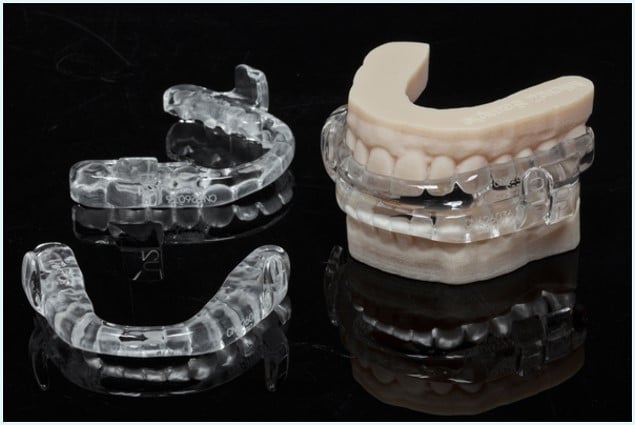
Oral appliance therapy uses a custom-designed device that fits comfortably over the teeth and works by gently repositioning the jaw and tongue to help keep the airway open during sleep. Clinical research has shown oral appliance therapy to be highly effective for many Detroit patients with mild to moderate obstructive sleep apnea, and many people find it easier to wear consistently than CPAP.
Unlike CPAP machines, oral appliances are compact, quiet, travel-friendly, and easy to incorporate into a nightly routine. Through the SLEEP APNEA PRECISION APPROACH™, Dr. Jeffrey Haddad combines advanced diagnostics and customized treatment planning to provide oral appliance therapy designed to improve breathing, enhance sleep quality, and support long-term health.
What Is CPAP?
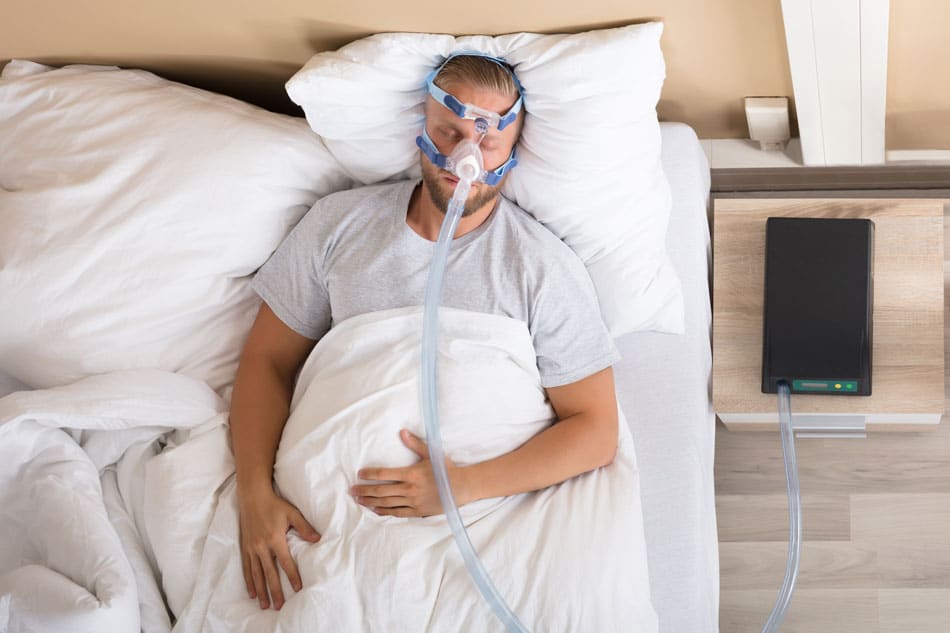
CPAP (continuous positive airway pressure) is a common sleep apnea treatment that uses a mask and airflow to help keep the airway open during sleep. While CPAP can be highly effective, some patients find the mask, tubing, or airflow difficult to tolerate, leading them to explore alternative treatment options.
Or Call (248) 480-0085
Our Process for Finding Your Solution
We use objective, data-driven methods to ensure your oral appliance is both comfortable and effective. Our goal is to provide measurable improvements to your sleep quality and overall daily energy.
The SLEEP APNEA PRECISION APPROACH™
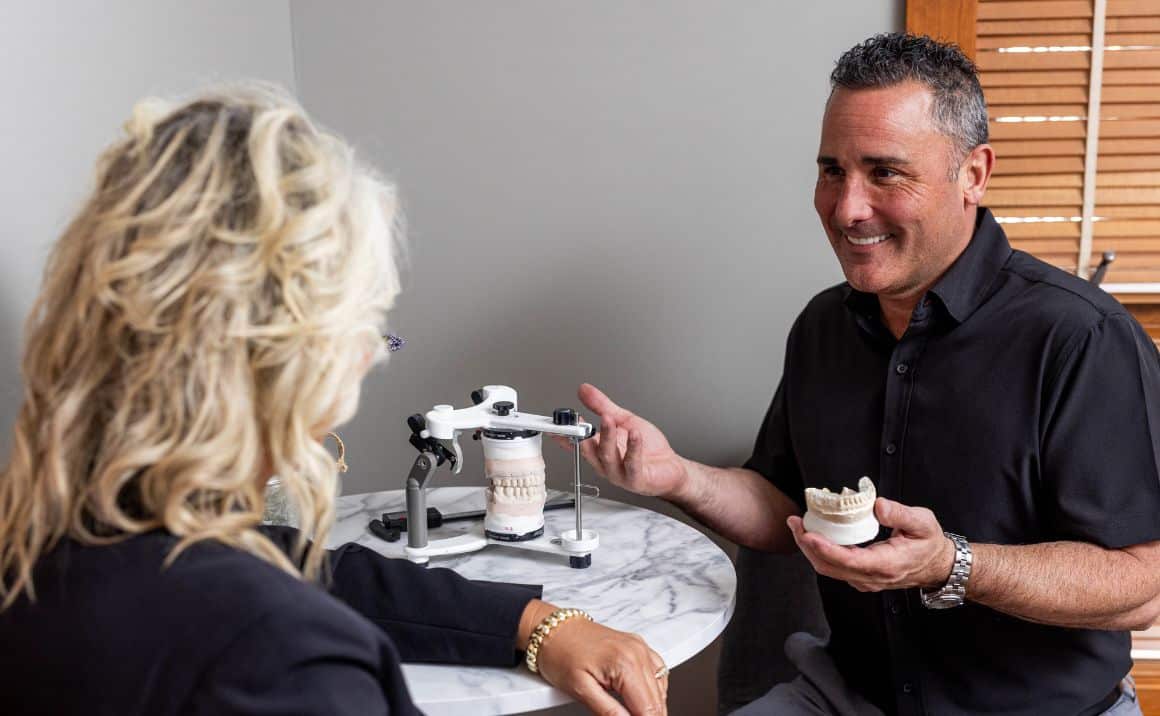
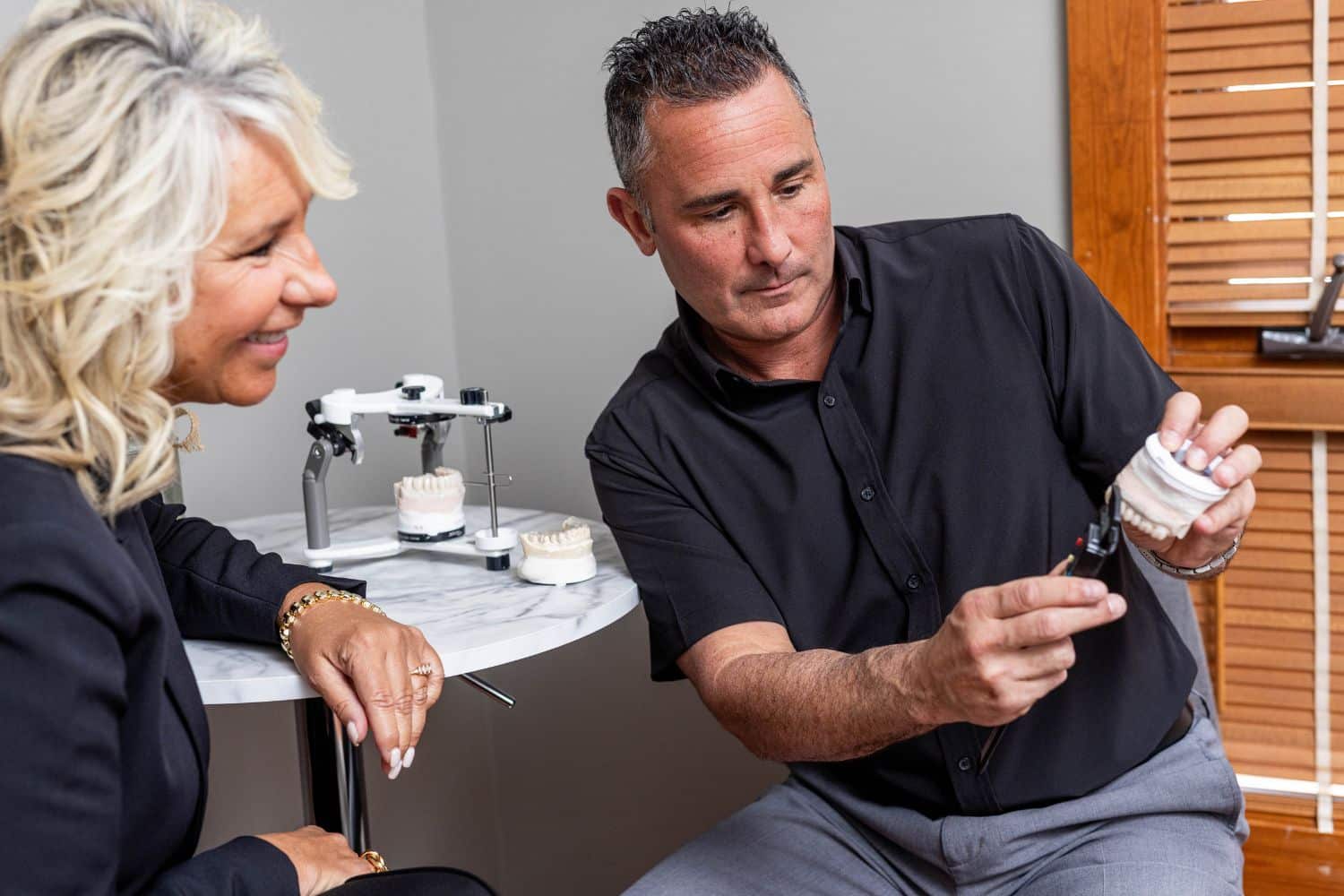
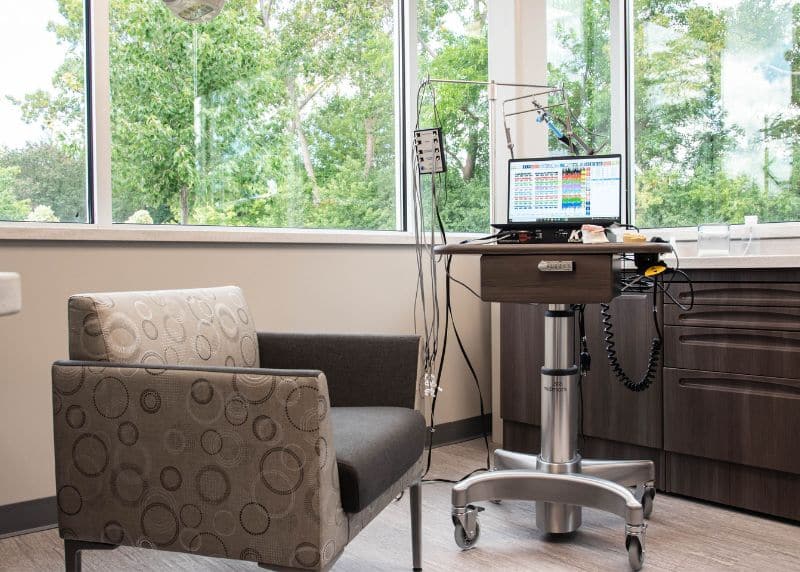
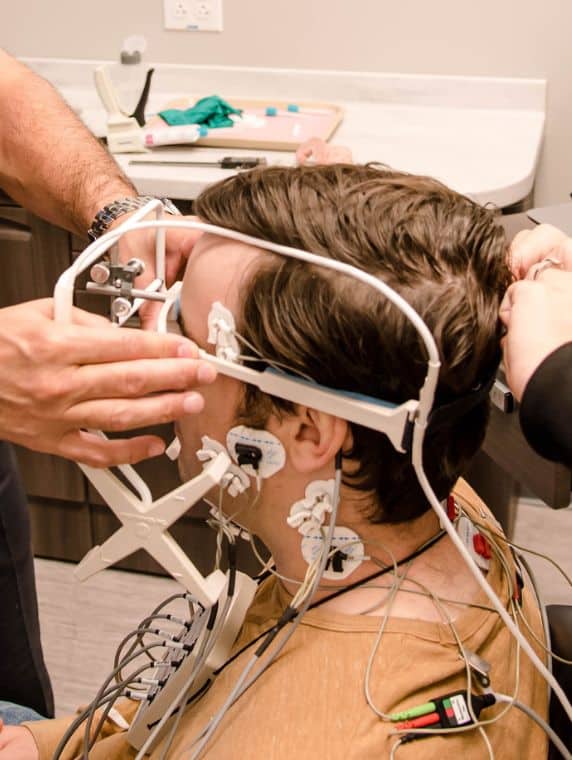
We use this proprietary method to evaluate the direct relationship between your jaw position and your airway size. This detailed diagnostic process ensures your device is tailored to your unique anatomy for maximum airflow.
Custom Fabrication and Fitting
Once we determine your optimal jaw position, we design an appliance that fits your teeth perfectly. We ensure it is comfortable, secure, and does not place any undue stress on your jaw joints or facial muscles.
Objective Sleep Monitoring
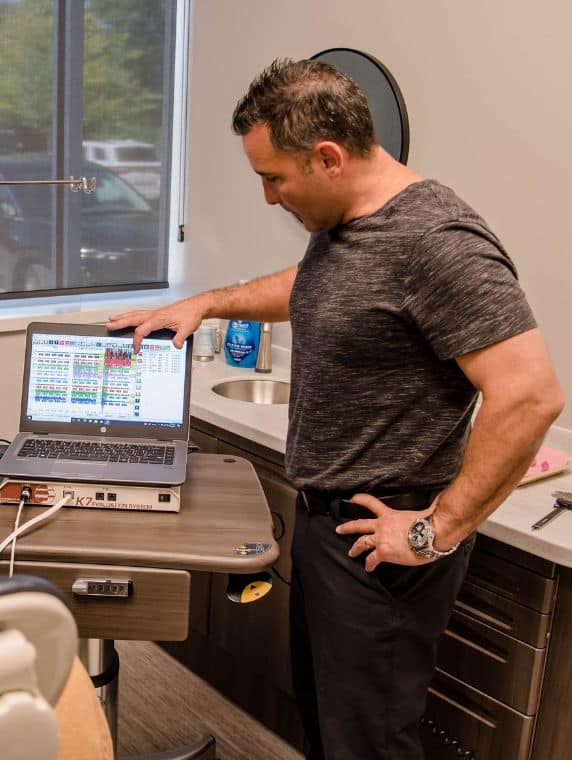
We use home sleep studies to assess how well your appliance works in your own bed. This allows us to make precise adjustments and confirm that you are getting the restorative oxygen you need to stay healthy.
Why CPAP Works For Many Patients
CPAP remains one of the most effective treatments for sleep apnea because it helps keep the airway open throughout the night, reducing breathing interruptions and improving oxygen flow. When used consistently, CPAP can improve sleep quality, reduce daytime fatigue, and help lower many of the health risks associated with untreated sleep apnea.
However, successful treatment depends on consistent use. While many patients do well with CPAP, others find the mask, tubing, or airflow difficult to tolerate. For patients exploring sleep apnea treatment in Detroit, oral appliance therapy may provide a more comfortable alternative while still delivering effective results.
Or Call (248) 480-0085


Challenges of CPAP Treatment
Despite its effectiveness, CPAP therapy can be difficult for some patients to tolerate. Successful treatment depends on consistent nightly use, and many individuals find the equipment uncomfortable or disruptive.
Common concerns include:
- Dryness or irritation of the nose and throat
- Skin irritation from masks and straps
- Feelings of claustrophobia
- Difficulty adjusting to sleeping with a mask
- Noise from the machine or airflow
Some patients also feel that CPAP equipment interferes with intimacy or creates inconvenience during travel and daily life.
While proper mask fitting and machine adjustments can improve comfort, many patients still struggle to use CPAP regularly. Unfortunately, inconsistent use can significantly reduce the effectiveness of treatment, leaving sleep apnea symptoms and associated health risks unresolved.
For patients who cannot tolerate CPAP, exploring alternatives such as oral appliance therapy or other treatment options becomes especially important.
Or Call (248) 480-0085
CPAP, TMJ Disorders, and Jaw Health
For patients who experience temporomandibular joint disorder (TMJ/TMD), CPAP therapy may present additional concerns. In some cases, mask pressure and strap positioning can place stress on the jaw or encourage the lower jaw to shift backward during sleep, potentially aggravating TMJ symptoms.
Custom oral appliances may offer a unique advantage for patients dealing with both sleep apnea and TMJ issues. When properly designed and fitted, oral appliances can help maintain airway support while also promoting a healthier jaw position.
Because many individuals with sleep apnea also experience TMJ-related symptoms, a comprehensive evaluation is important when selecting the most appropriate treatment approach.
Or Call (248) 480-0085
Frequently Asked Questions
CPAP Alternative FAQs
CPAP Alternative FAQs
We know that transitioning away from a CPAP machine can bring up questions about the effectiveness of other treatments. Here are a few answers to help you feel confident in your choice to explore oral appliances.
