



Ear Symptoms Are Common In TMJ Disorders
Ear symptoms are among the most commonly reported symptoms of TMJ, alongside jaw pain, facial pain, and headaches. In fact, many people with TMJ experience symptoms such as ear pain, tinnitus, vertigo, hearing changes, ear pressure, or a sensation of fullness in the ears without realizing that the jaw joints and surrounding muscles may be contributing to the problem.
Because these symptoms are often associated with conditions affecting the ears, the connection to TMJ is frequently overlooked. Many patients seeking TMJ treatment in Detroit are surprised to learn that persistent ear symptoms may be related to underlying jaw dysfunction rather than a problem originating within the ear itself.
Tinnitus and TMJ
Tinnitus, or ringing in the ears, is one of the most common ear-related symptoms associated with TMJ disorders. Some people describe the sound as ringing, while others report buzzing, humming, clicking, or whooshing noises that seem to come and go throughout the day. In some cases, tinnitus may be accompanied by ear pressure, a feeling of fullness in the ears, dizziness, balance problems, or even changes in hearing.
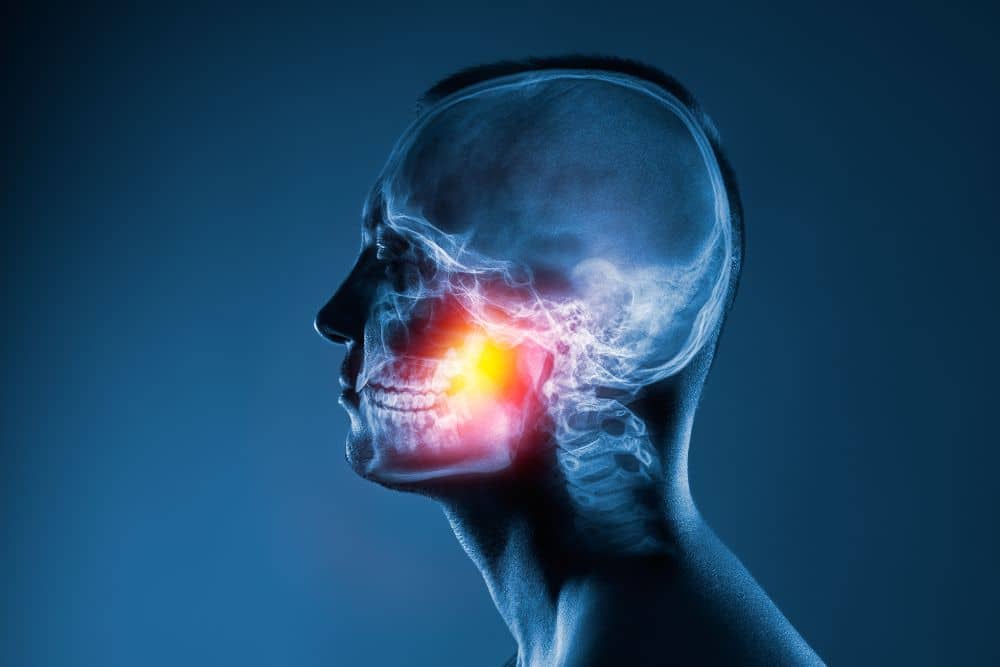
Because the jaw joints, muscles, and nerves are located so close to the ears, dysfunction within the jaw can sometimes contribute to these symptoms. Many people who experience TMJ-related tinnitus also report other symptoms of TMJ, including jaw pain, headaches, facial tension, teeth grinding, and jaw clicking.
For patients seeking TMJ treatment in Detroit, recognizing the relationship between tinnitus and other TMJ symptoms can be an important step toward identifying the source of ongoing ear-related concerns.
Or Call (248) 480-0085
Ear Pain and TMJ
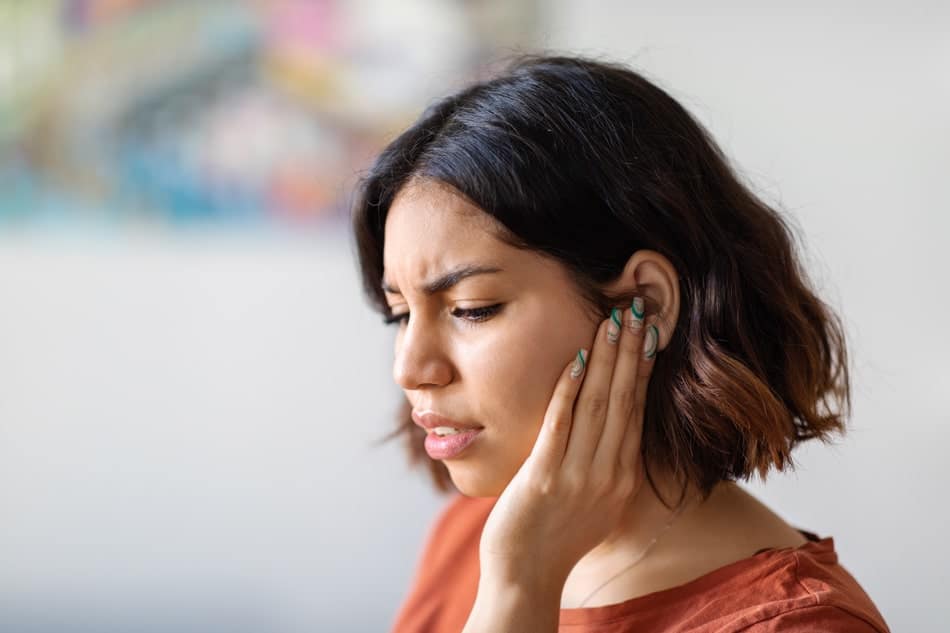
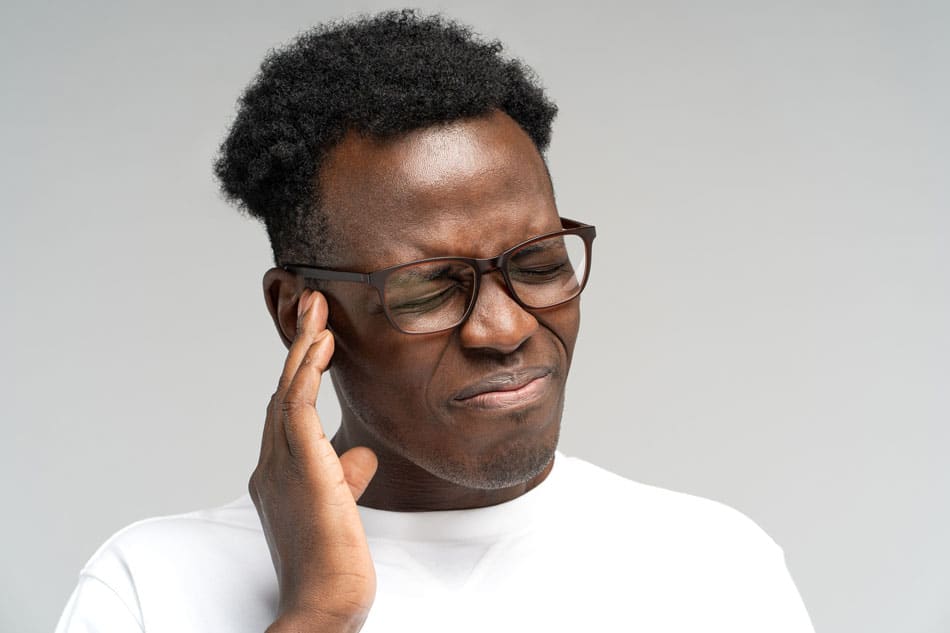
Ear pain is a common symptom of TMJ. Because the jaw joints are located directly in front of the ears, dysfunction within the joints and surrounding muscles can sometimes create sensations that feel as though they are coming from the ears themselves. As a result, people may experience ear discomfort, pressure, aching, or fullness without realizing that the source may be related to the jaw.
Many patients seeking TMJ treatment in Detroit are surprised to learn that persistent ear pain can be associated with TMJ, particularly when it occurs alongside other symptoms such as jaw pain, headaches, facial tension, teeth grinding, or jaw clicking.
Vertigo and TMJ
Vertigo and dizziness are symptoms that some people experience alongside TMJ disorders. These sensations may range from mild unsteadiness and balance problems to episodes where it feels as though the room is spinning. Because dizziness is often associated with inner ear conditions, many people do not initially consider that the jaw may be contributing to the problem.
TMJ-related vertigo and dizziness frequently occur alongside other symptoms of TMJ, such as jaw pain, headaches, facial tension, tinnitus, ear pressure, or jaw clicking. For patients seeking TMJ treatment in Detroit, understanding that dizziness and balance disturbances may be connected to jaw dysfunction can be an important step toward identifying the source of their symptoms.
Or Call (248) 480-0085





Meniere’s Disease & TMJ
Symptoms commonly associated with Meniere’s disease—including tinnitus, dizziness, vertigo, ear pressure, a feeling of fullness in the ears, and hearing changes—can sometimes overlap with symptoms of TMJ. Because of this overlap, the role of jaw dysfunction may not always be immediately recognized.
If your ear symptoms occur alongside other symptoms of TMJ, such as jaw pain, facial pain, headaches, teeth grinding, jaw clicking, or difficulty opening and closing your mouth, it may be worth considering whether TMJ could be contributing to your discomfort. Many patients seeking TMJ treatment in Detroit are surprised to learn that persistent ear symptoms and balance-related concerns may be connected to dysfunction within the jaw joints and surrounding muscles.
A comprehensive evaluation can help determine whether TMJ may be playing a role in symptoms that resemble or accompany Meniere’s disease.
Do Your Ear Symptoms Change With Jaw Activity?
One clue that TMJ may be contributing to tinnitus and other ear symptoms is when those symptoms seem to change with jaw movement or jaw strain. Some people notice that ringing in the ears becomes louder, changes in pitch, or becomes more noticeable when they chew, yawn, open their mouth wide, or move their jaw from side to side.
Ear pain, ear pressure, tinnitus, dizziness, and other symptoms may also become more noticeable after periods of increased jaw activity. This can include chewing tough foods, prolonged talking, jaw clenching during stressful situations, teeth grinding during sleep, or even clenching during exercise. When ear symptoms occur alongside jaw pain, facial tension, headaches, teeth grinding, or jaw clicking, TMJ may be an underlying factor worth considering.
Or Call (248) 480-0085
Other TMJ Related Symptoms
Tinnitus, vertigo, ear pain, and ear pressure are often not the only symptoms of TMJ. Many people who experience ear-related symptoms also report:
- Jaw pain or jaw soreness
- Frequent headaches or migraines
- Neck pain and muscle tension
- Jaw clicking, popping, or grinding sounds
- Teeth grinding or jaw clenching
When ear symptoms occur alongside several of these symptoms of TMJ, the connection to jaw dysfunction becomes more likely. Many patients seeking TMJ treatment in Detroit are surprised to learn that symptoms affecting the ears, head, face, neck, and jaw may all be related.
If you have been struggling with persistent tinnitus, vertigo, ear pain, or other unexplained ear symptoms, a comprehensive TMJ evaluation may help determine whether the jaw joints, muscles, and bite are contributing to your discomfort.
TMJ PRECISION APPROACH™ To Tinnitus Treatment
Tinnitus, ear pain, vertigo, ear pressure, and other ear-related symptoms can be frustrating when the cause is unclear. Because these symptoms are commonly associated with conditions affecting the ears, many people spend years searching for answers without realizing that TMJ may be contributing to their discomfort.
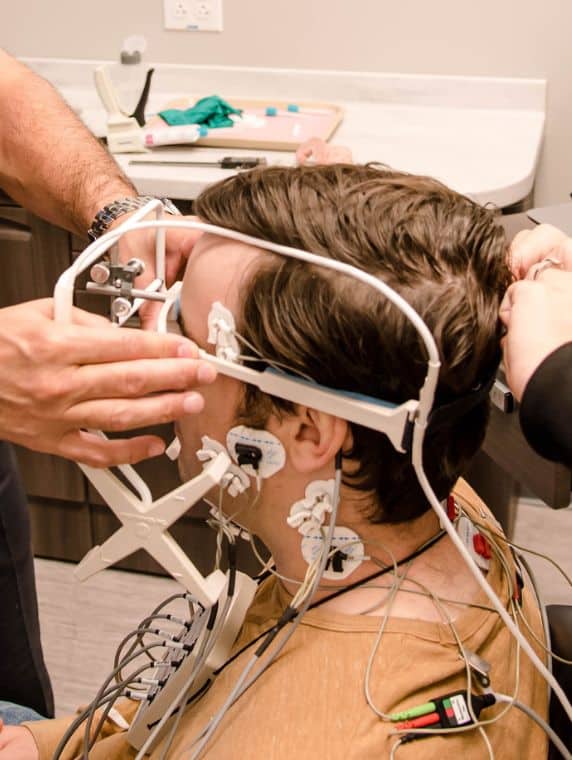
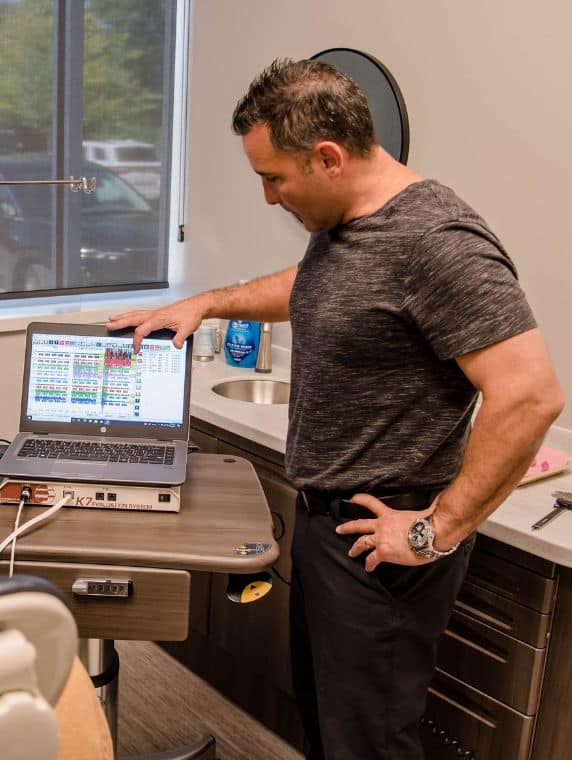
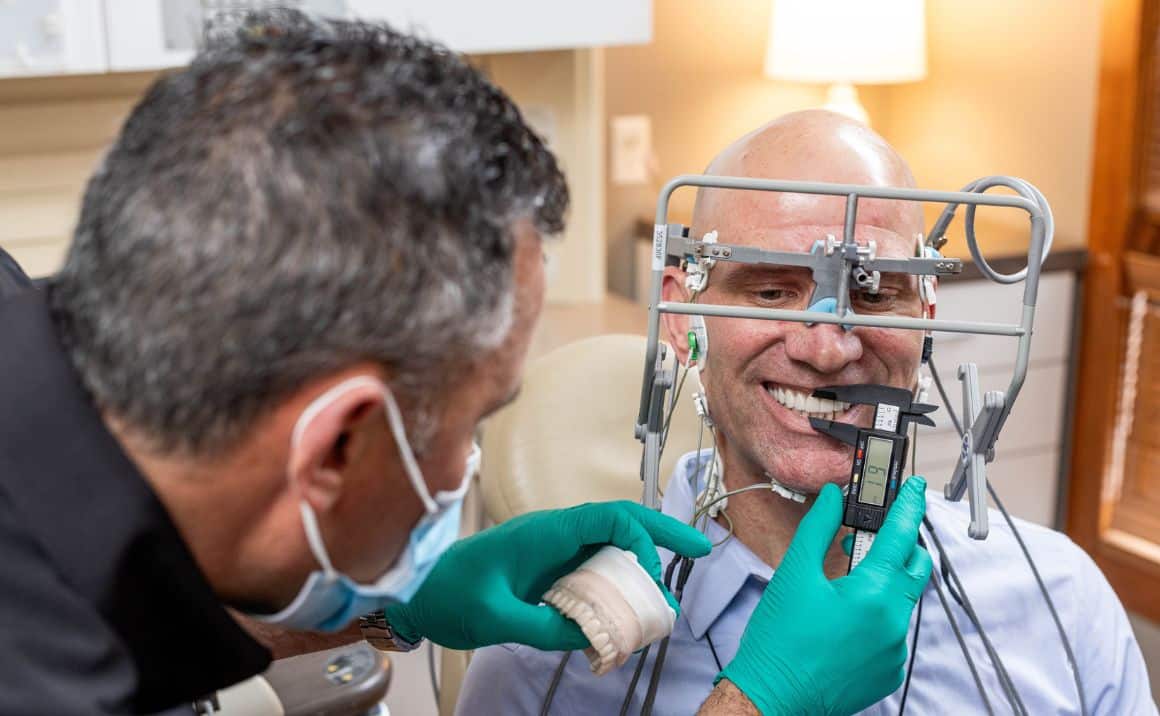
At Michigan Center for TMJ & Sleep Wellness, Dr. Jeffrey Haddad uses the TMJ PRECISION APPROACH™ to evaluate how the jaw joints, muscles, bite, and surrounding structures may be contributing to symptoms throughout the head, face, neck, and ears. Through a comprehensive assessment, it may be possible to identify whether underlying jaw dysfunction is playing a role in tinnitus, dizziness, ear pain, or other persistent symptoms.
For patients seeking TMJ treatment in Detroit, understanding the source of these symptoms is often the first step toward finding lasting relief and improving overall quality of life.
Or Call (248) 480-0085



Start Living Again
Patient Education Articles
Patient Education Articles
Tinnitus is one of the most common ear-related symptoms associated with TMJ disorders. Our Patient Education articles explore the connection between TMJ and tinnitus, common symptoms that may occur alongside ear ringing, and the treatment options available to help address underlying jaw dysfunction.

Why You Are Still Tired After Sleeping 7-8 Hours
Waking up exhausted after spending a full eight hours in bed is an incredibly [...]

Understanding Your Sleep Apnea Treatment Options
A good night's sleep is essential for your overall health, energy levels, and quality of [...]

What Causes Jaw Pain? A Comprehensive Look
Jaw pain can affect far more than your ability to chew. Many patients seeking TMJ [...]
