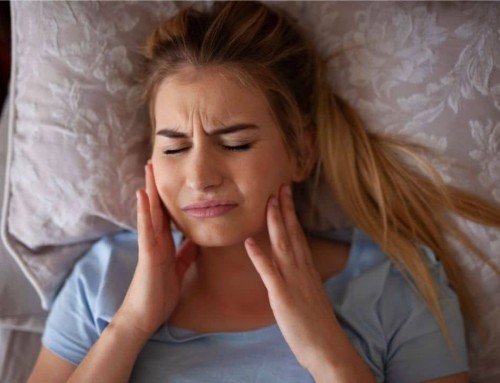


How do you know if you’re grinding your teeth at night? If you share a bed with someone, they may notice it. The sound of nighttime teeth grinding—also called sleep bruxism—can be loud and disruptive.
If you sleep alone, you may notice sore jaw muscles in the morning. This discomfort can feel like a headache, since your jaw muscles extend up toward your temples. You may also experience soreness in your neck, shoulders, or ears.
Teeth grinding can also cause visible changes. Your teeth may become sensitive, chipped, cracked, flatter, or shorter over time.
Once you recognize the signs of bruxism, it’s important to act quickly. Sleep bruxism can damage or even destroy your teeth if left untreated. Below are strategies to help reduce or stop teeth grinding.
If You Are Grinding Or Clenching At Night
Sleep bruxism is sometimes associated with sleep apnea. This condition causes repeated pauses in breathing during sleep, forcing your brain to briefly wake you so breathing can resume.
You may not be aware this is happening. While some people snore, many sleep apnea patients do not. In some cases, bruxism may be the only noticeable sign of an underlying issue. Other symptoms include daytime sleepiness, morning headaches, and waking up unrested.
Sleep apnea can lead to serious health complications, so early diagnosis is important. The only way to confirm it is through a sleep test, which can often be done at home.
At the Michigan Center for TMJ & Sleep Wellness, we can help coordinate your sleep test and guide you toward a comfortable treatment that also protects your teeth from bruxism.
Reduce Caffeine And Alcohol Consumption
If you can’t identify a clear cause, consider reducing caffeine and alcohol intake. People who consume more than six cups of coffee daily are significantly more likely to grind their teeth.
Portion size matters. Many coffee drinks exceed standard serving sizes, so it’s helpful to track how much you’re actually consuming.
Alcohol can also contribute to bruxism. Aim for moderate intake—one drink per day for women and up to two for men. Keep in mind that larger servings or higher alcohol content can quickly increase intake.
Timing is also important. Avoid caffeine within 10 hours of bedtime and alcohol within 4 hours of bedtime to reduce the risk of grinding and sleep disruption.
Eliminate Smoking Or Tobacco Use
Nicotine is a stimulant that can contribute to bruxism. Quitting smoking is the best option for your overall health, including your dental health.
If quitting completely feels difficult, even reducing use may help. Heavier smoking is more strongly associated with frequent bruxism, while lighter use may reduce its occurrence.
Other forms of tobacco, including cigars and smokeless tobacco, may also contribute.
Get TMJ Treatment
Temporomandibular joint disorders (TMJ or TMD) are another common cause of teeth grinding. These conditions affect how your jaw functions and can lead to clenching and grinding both day and night.
At the Michigan Center for TMJ & Sleep Wellness, we can evaluate your jaw to determine whether TMJ is contributing to your symptoms.
Even if treatment does not immediately stop bruxism, a custom TMJ orthotic can help protect your teeth from long-term damage.
Consider Mental Health Strategies
Stress is one of the most common causes of teeth grinding. If stress is a factor, you may already be aware of the connection.
Other contributing factors may include anxiety, depression, or emotional tension.
Depending on your situation, you may benefit from self-guided stress management techniques. If symptoms persist or feel overwhelming, professional support may be helpful.
Ask Your Doctor If Medications Contribute
Bruxism can be a side effect of certain medications, including those used for ADHD, depression, and seizure disorders.
If you suspect a connection, talk to your doctor. They may be able to adjust your dosage or recommend an alternative.
Always consult your doctor before making any changes to your medication.
Sleep Bruxism Questions And Answers
If you still have questions about teeth grinding, you’re not alone. Many people experience symptoms without fully understanding the cause or long-term impact. Below are answers to some of the most common questions about sleep bruxism.
Relief From Sleep Bruxism In Detroit
If you’ve tried home remedies without success, professional treatment may help. At the Michigan Center for TMJ & Sleep Wellness, we’ve helped many patients find relief from bruxism.
Please call (248) 480-0085 to schedule your evaluation and discover the relief that comes with a precision-based approach to your health.