



How Oral Splint Therapy Supports TMJ Treatment
A primary goal of TMJ treatment in Detroit is to improve jaw function without creating additional bite problems. While oral splints can be highly effective when properly designed and monitored, they must be customized to the patient’s unique jaw position and symptoms. Dr. Jeffrey Haddad’s extensive training in neuromuscular dentistry helps ensure that oral splint therapy is used appropriately and only when it is the right treatment option for the patient.
The second goal of oral splint therapy is symptom relief. Depending on your condition, treatment may help protect your teeth from the effects of bruxism, reduce stress on the temporomandibular joints, and relieve muscle tension that contributes to jaw pain, headaches, and other common TMJ-related symptoms.
The third goal of oral splint therapy is to help guide your jaw toward a healthier, more stable position. As your symptoms improve, Dr. Haddad may recommend adjustments to your oral splint to further refine your treatment and ensure your jaw joints, muscles, and bite are functioning as comfortably as possible. These refinements help optimize the effectiveness of TMJ treatment and support long-term stability.
Once a comfortable and stable jaw position has been established, many patients choose to continue wearing their oral splint as part of their ongoing care. In some cases, reconstructive dentistry may be recommended to create a more permanent solution that supports the improved bite position and helps maintain long-term results.
Or Call (248) 480-0085
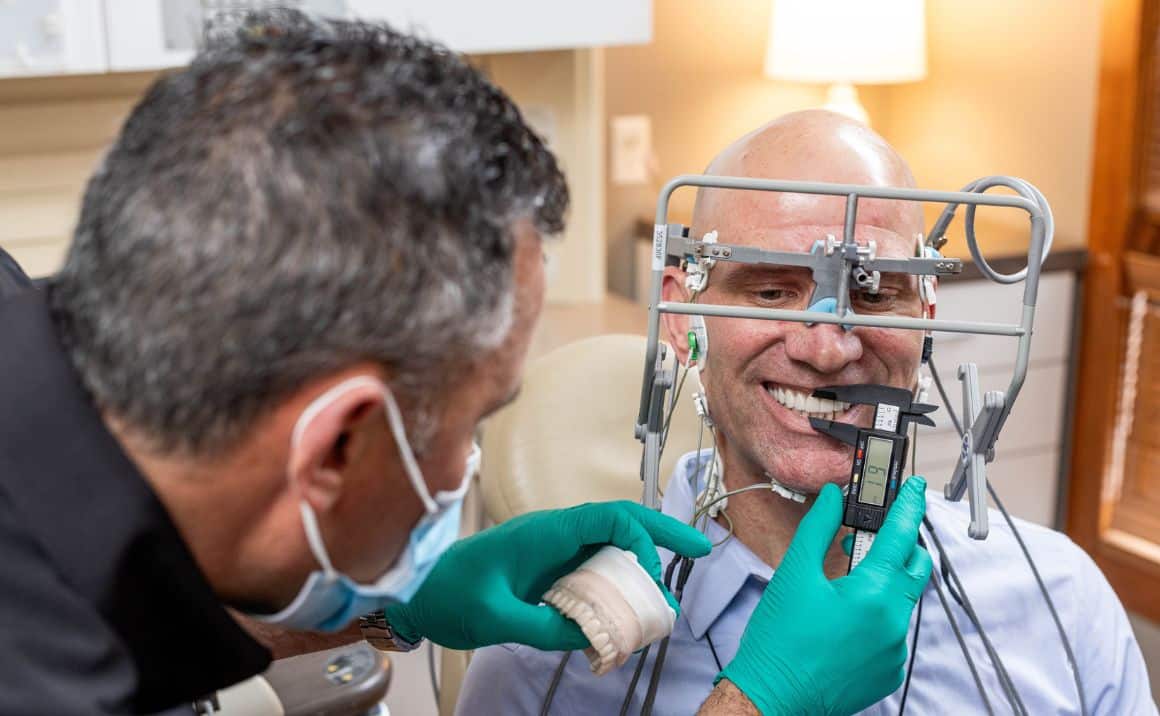

Types of Oral Splints
Different types of oral splints may be recommended depending on your TMJ symptoms, jaw function, and treatment goals. Common options include:
- Stabilization Splints – Help reduce strain on the jaw joints and muscles while protecting the teeth from clenching and grinding.
- Neuromuscular Orthotics – Designed to guide the jaw into a more comfortable and balanced position as part of comprehensive TMJ treatment.
- Bruxism Appliances – Protect teeth from excessive wear caused by nighttime grinding and clenching.
- Repositioning Splints – Used to help improve jaw joint function and reduce stress on the temporomandibular joints in certain cases.
- Daytime Orthotics – May be recommended to support jaw positioning and reduce muscle tension throughout the day.
As part of our approach to TMJ treatment, Dr. Jeffrey Haddad carefully evaluates each patient to determine which type of oral splint is most appropriate for their condition and long-term treatment goals.
Or Call (248) 480-0085
TMJ PRECISION APPROACH™
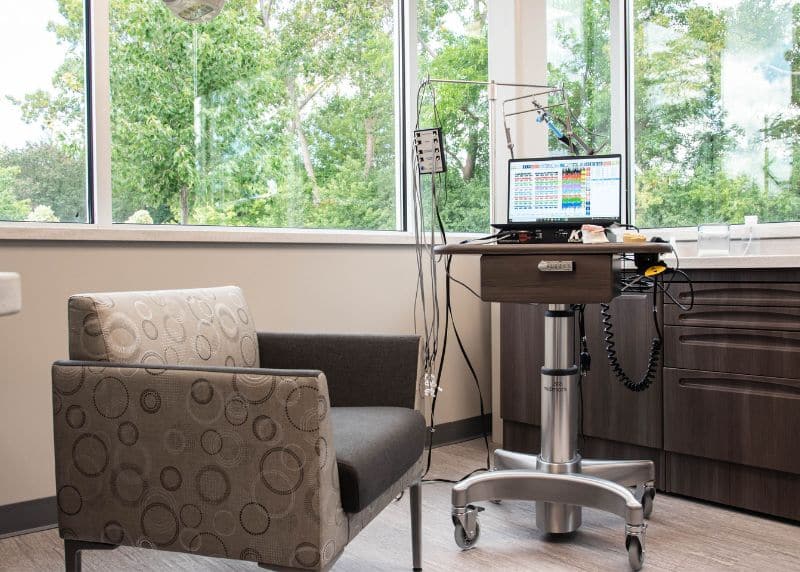
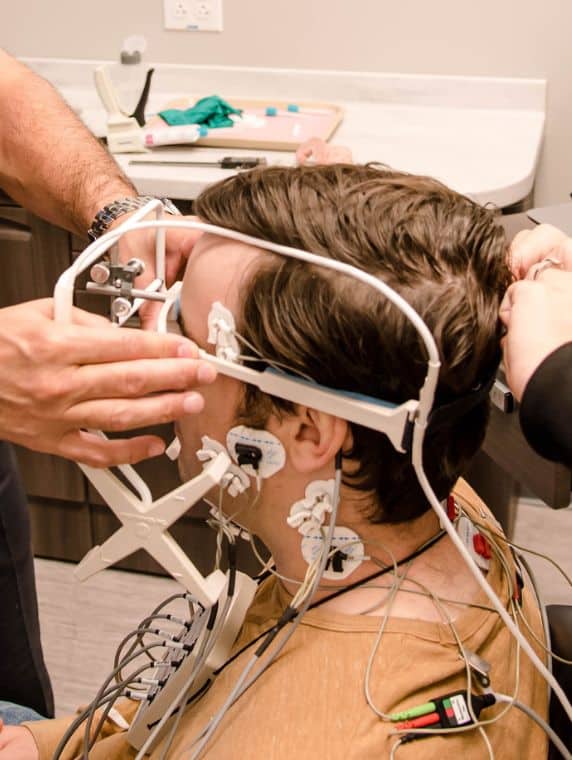
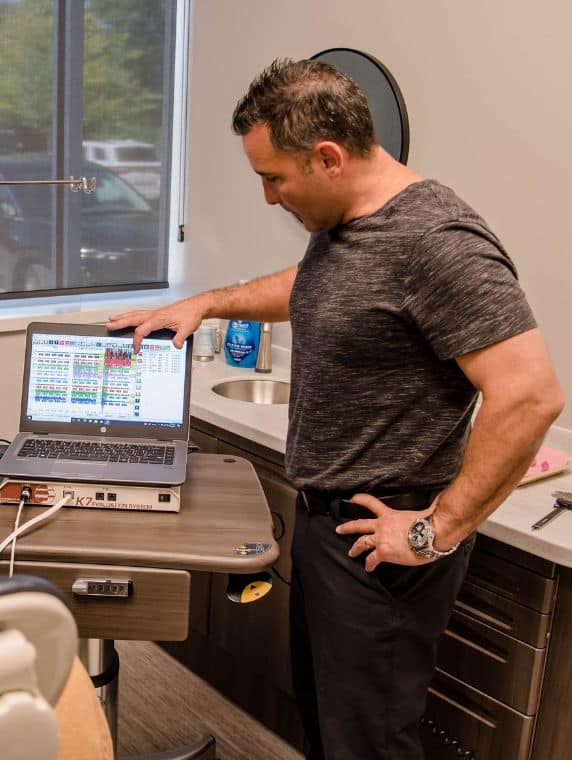
The TMJ PRECISION APPROACH™ is Dr. Jeffrey Haddad’s comprehensive method for diagnosing and treating TMJ disorders. By combining advanced diagnostics, neuromuscular dentistry principles, and personalized treatment planning, the approach is designed to identify the underlying cause of jaw pain, headaches, tinnitus, and other TMJ symptoms while helping patients achieve long-term relief and improved jaw function
Or Call (248) 480-0085




Start Living Again
Patient Education Articles
Patient Education Articles
Understanding how oral splints work can help you feel more confident about your treatment options. Explore the articles below to learn about the causes of TMJ disorders, the benefits of oral splint therapy, and how a customized appliance can help relieve jaw pain, headaches, teeth grinding, and other related symptoms.

Can a Dentist Treat Sleep Apnea?
Yes, a dentist can help treat obstructive sleep apnea after a physician or qualified [...]

Why You Are Still Tired After Sleeping 7-8 Hours
Waking up exhausted after spending a full eight hours in bed is an incredibly [...]

Understanding Your Sleep Apnea Treatment Options
A good night's sleep is essential for your overall health, energy levels, and quality of [...]