



Tooth Damage And Wear Can Be Signs Of TMJ
Worn, chipped, cracked, or broken teeth are often treated as isolated dental problems. However, recurring tooth damage may be a sign that excessive forces are being placed on the teeth. When the jaw joints, muscles, and bite are not functioning properly, certain teeth can absorb more pressure than they were designed to handle, leading to ongoing wear and damage.
For some patients, tooth wear develops gradually over many years. Others may experience fractured teeth, damaged dental work, or increasing sensitivity. For patients seeking TMJ treatment in Detroit, identifying the source of these forces is often the first step toward protecting both their smile and long-term oral health.
The Connection Between TMJ And Tooth Damage
TMJ disorders can affect the way the teeth come together and how forces are distributed throughout the bite. When the jaw is not functioning in a balanced position, the muscles may work harder than they should, placing additional stress on both the teeth and the jaw joints.
Over time, these imbalances can contribute to worn enamel, cracked teeth, broken restorations, jaw discomfort, headaches, and other symptoms of TMJ. For many patients seeking TMJ treatment in Detroit, addressing the damaged teeth alone is not enough. Identifying and correcting the underlying source of these forces is often essential for achieving long-term stability.
Or Call (248) 480-0085
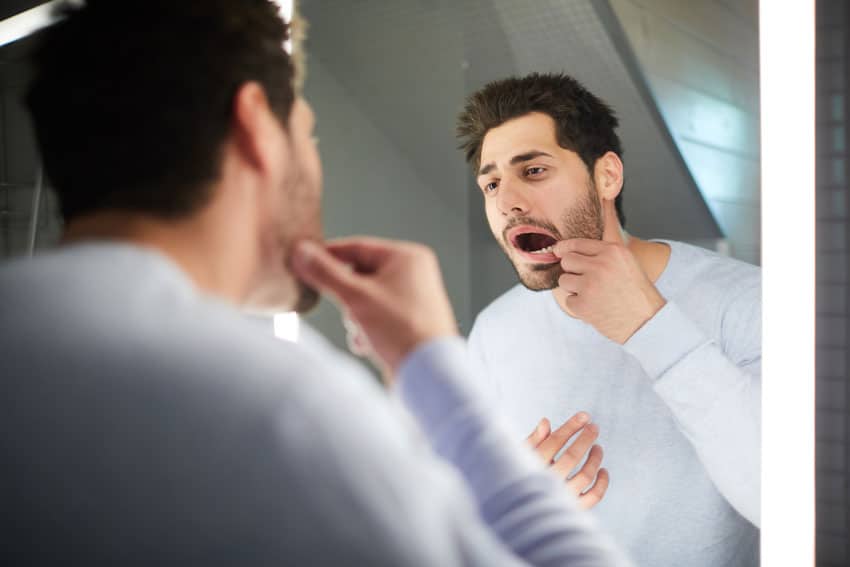

When Restorative Treatment Is Needed
If tooth damage has already occurred, restorative dental care may be necessary to rebuild and protect your smile. Depending on the extent of the wear, treatment may include dental crowns, veneers, onlays, implant-supported restorations, or full mouth reconstruction.
However, successful restorative treatment often requires more than simply repairing damaged teeth. Unless the forces responsible for the wear are identified and addressed, even the highest-quality restorations may remain vulnerable to future damage.
Or Call (248) 480-0085


The TMJ PRECISION APPROACH™
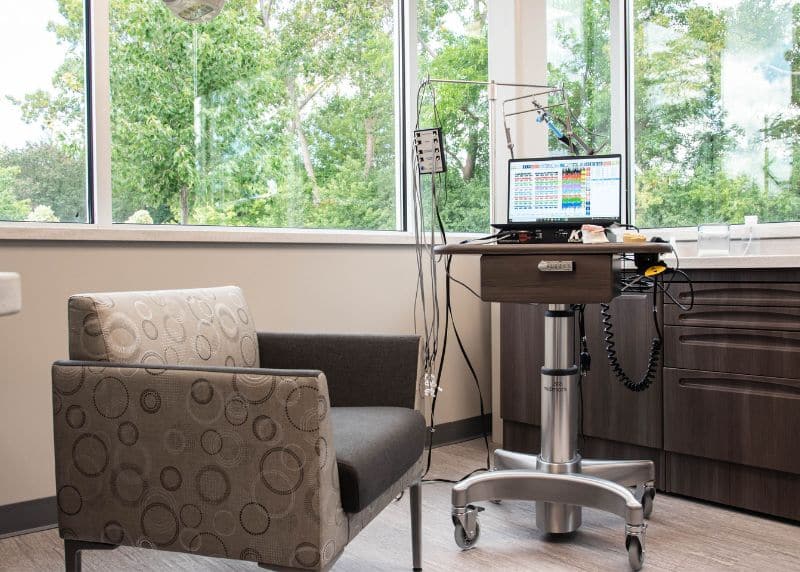
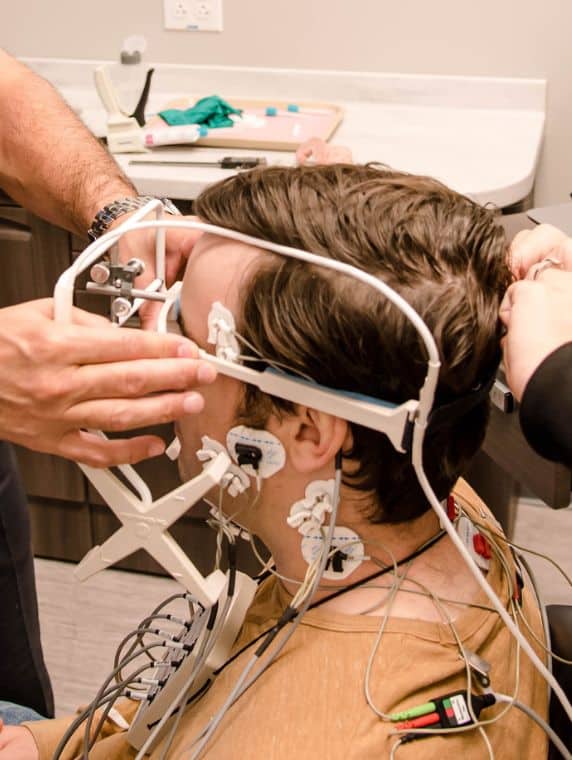
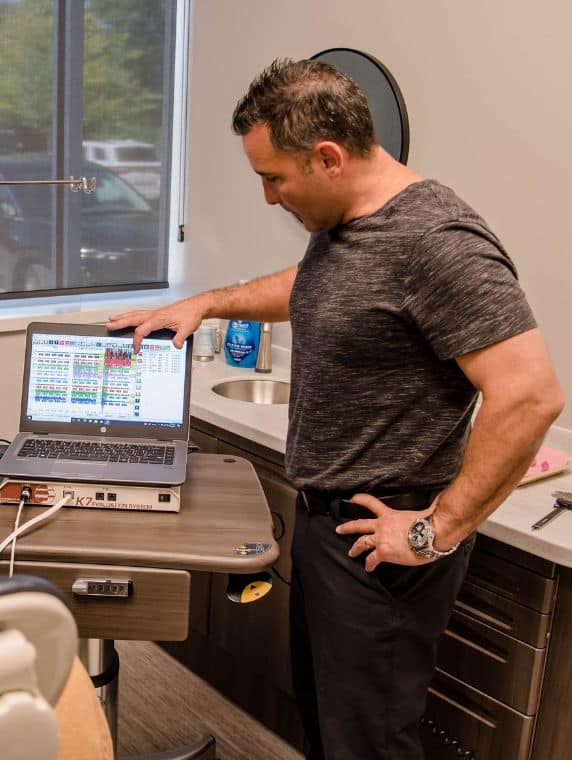
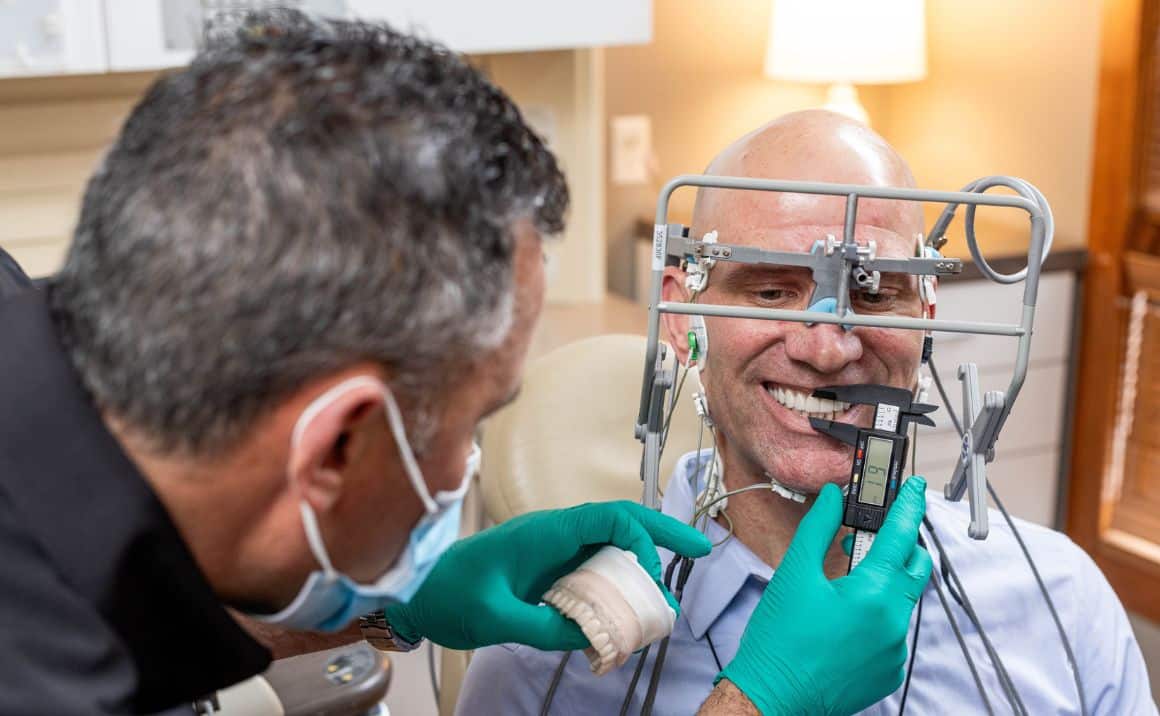
Detroit TMJ dentist Dr. Jeffrey Haddad developed the TMJ PRECISION APPROACH™ to identify the underlying factors contributing to tooth wear, jaw dysfunction, and TMJ symptoms. Through advanced diagnostics and comprehensive evaluation, he examines how the jaw joints, muscles, bite, and overall function work together.
By addressing the source of excessive bite forces rather than focusing solely on damaged teeth, the TMJ PRECISION APPROACH™ helps patients protect their natural teeth, preserve restorative work, and create a more stable foundation for long-term oral health.
Or Call (248) 480-0085


Start Living Again
Patient Education Articles
Patient Education Articles
Recurring tooth wear and damage may be linked to underlying TMJ disorders. Explore our Patient Education articles to learn how jaw function, bite forces, and TMJ treatment can play a role in protecting your teeth and long-term oral health.

Can a Dentist Treat Sleep Apnea?
Yes, a dentist can help treat obstructive sleep apnea after a physician or qualified [...]

Why You Are Still Tired After Sleeping 7-8 Hours
Waking up exhausted after spending a full eight hours in bed is an incredibly [...]

Understanding Your Sleep Apnea Treatment Options
A good night's sleep is essential for your overall health, energy levels, and quality of [...]