Do you suffer from chronic headaches, jaw pain, facial tension, or recurring head pain that affects your daily life? Many patients seeking TMJ treatment in Detroit are surprised to learn that their symptoms may be related to jaw dysfunction rather than a neurological migraine. Through the TMJ PRECISION APPROACH™, Dr. Jeffrey Haddad helps identify the underlying causes of chronic headaches and develops personalized treatment plans focused on lasting relief.
When Chronic Headaches May Be Related To TMJ
Living with chronic headaches can be exhausting, especially when treatments only provide temporary relief. Many patients seeking TMJ treatment in Detroit spend years visiting physicians, neurologists, and other specialists without anyone evaluating how their jaw joints, bite, and muscles may be contributing to their symptoms.
- Endless pill cycles: Many people rely on daily pain relievers or preventive migraine medications that cause grogginess and fatigue without solving the real problem.
- The structural blind spot: However, traditional medicine often overlooks the muscles, nerves, and joints in the face, jaw, and neck, leaving the true source of pain untreated.
- Seeking a new path: If your migraine treatments are not working, a second opinion focused on TMJ dysfunction may help uncover the cause.
Understanding the Symptoms of a True Migraine
True neurological migraines involve changes in the brain’s chemical and electrical activity. Because of this, recognizing these signs helps guide the right diagnosis and rule out other conditions.
- Sensory triggers: Migraines often begin after exposure to flashing lights, strong smells, weather changes, stress, or hormonal shifts.
- Visual auras: Some patients notice flashes of light, blind spots, zigzag lines, or other visual changes before the pain begins.
- Nausea and throbbing: Migraine pain is often severe, throbbing, and usually affects one side of the head. In addition, it may come with nausea or strong sensitivity to light and sound.
Recognizing The Hidden Signs Of A TMJ Headache
TMJ headaches come from overworked jaw muscles, bite imbalance, and pressure on the trigeminal nerve. As a result, the pain can feel very similar to a migraine or tension headache.
- Morning Headaches: Waking up with headaches may indicate nighttime clenching, airway issues, or TMJ dysfunction.
- Jaw pain and facial tension: TMJ discomfort often begins in the jaw and spreads into the cheeks, temples, neck, and shoulders.
- Ear symptoms: Ear pain, ear pressure, and tinnitus frequently occur alongside TMJ disorders.
- Joint sounds: Clicking, popping, or grinding when chewing, yawning, or speaking may indicate a problem involving the jaw joints.
Why Traditional Migraine Medications Are Failing You
If your pain comes from a structural problem in the temporomandibular joint, medication alone will not fix it. At first, pain relievers or temporary treatments may reduce symptoms for a short time, but they do not correct the source of the problem.
- Rebound headaches: Too much pain medication can trigger rebound headaches and make symptoms happen more often.
- Treating the root cause: Long-term relief comes from improving jaw alignment, relaxing overworked muscles, and restoring healthy function instead of masking pain.
How We Find the True Root Cause of Your Pain
At Michigan Center for TMJ & Sleep Wellness, patients seeking headache treatment in Detroit receive a comprehensive evaluation designed to identify whether TMJ dysfunction may be contributing to their symptoms. Dr. Jeffrey Haddad uses advanced technology to evaluate jaw movement, muscle activity, bite relationships, and joint function.
Advanced Neuromuscular Diagnostics
To diagnose TMJ disorder correctly, we look at how your muscles, nerves, and jaw joints work together. As a result, this gives us clear answers and helps us create a personalized treatment plan.
- Jaw-tracking technology: We use the Myotronics K-7 Evaluation System to track jaw movement and identify where dysfunction begins.
- 3D anatomical imaging: Advanced imaging gives us a clear view of the jaw joints, bone structure, and surrounding anatomy.
The Connection Between Sleep Apnea And Chronic Headaches
For some patients, chronic headaches are closely connected to underlying sleep apnea. When breathing becomes restricted during sleep, the body may repeatedly activate the jaw muscles in an effort to keep the airway open. Over time, this can contribute to morning headaches, jaw pain, facial tension, and poor sleep quality.
Because Dr. Haddad’s expertise includes both TMJ treatment and dental sleep medicine, he evaluates airway health alongside jaw function to identify contributing factors that may be overlooked in a traditional headache evaluation.
TMJ Headache Treatment In Detroit
Once we confirm that your headaches are connected to TMJ dysfunction, we can then focus on relieving pain without relying on medication. Our treatments help your muscles relax and allow your jaw to rest in a healthier position.
Healing With Laser Therapy and Custom Appliances
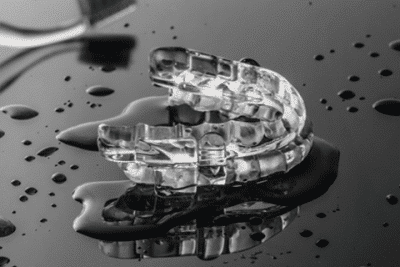 Most importantly, our goal is to restore comfort, improve function, and help you wake up feeling rested and pain-free. We use advanced treatment options that support healing and long-term stability.
- Laser pain relief: We use the Summus Medical Platinum Laser to reduce inflammation deep within the joint and provide soothing relief.
- Custom oral appliances: We use customized ProSomnus oral appliances to support a relaxed jaw position and prevent destructive nighttime grinding.
Frequently Asked Questions About TMJ Headaches
Living with chronic pain is exhausting, and finding clear answers can feel overwhelming after years of frustration. Below are simple answers to common questions about TMJ headaches and chronic head pain.
Reclaim Your Life From Chronic Headaches in Detroit
You do not have to continue living with chronic headaches, jaw pain, facial tension, or other TMJ symptoms. Through the TMJ PRECISION APPROACH™, Dr. Jeffrey Haddad helps patients identify the source of their discomfort and develop a clear path toward long-term relief.
If you are searching for answers and exploring your options for TMJ treatment in Detroit, schedule a comprehensive evaluation with Michigan Center for TMJ & Sleep Wellness today.