



Reconstructive Dentistry for TMJ and Bruxism
Patients seeking TMJ treatment in Detroit often discover that years of clenching, grinding, and bite dysfunction have caused significant damage to their teeth. Common signs of TMJ-related tooth damage include worn or flattened teeth, chipped teeth, fractures, uneven tooth lengths, and exposed dentin. While these issues may develop gradually, they can eventually affect both the appearance and function of your smile.
As part of the TMJ PRECISION APPROACH™, Dr. Jeffrey Haddad evaluates how bite forces, jaw position, and muscle activity may be contributing to ongoing tooth wear and damage. Once TMJ symptoms have been stabilized, reconstructive dentistry may be recommended to rebuild damaged teeth, restore a healthier bite, and improve long-term function. The specific treatment approach will depend on the extent of the damage and your individual treatment goals.
Common Reconstructive Dentistry Treatments
The specific treatments used in reconstructive dentistry depend on the condition of your teeth, bite, and jaw function. After completing a comprehensive evaluation, Dr. Jeffrey Haddad may recommend one or more restorative procedures to rebuild damaged teeth and support a healthier bite.
Common reconstructive dentistry treatments include:
- Dental Crowns – Restore strength, function, and appearance to worn, cracked, or heavily damaged teeth.
- Porcelain Veneers – Improve the shape, length, and appearance of teeth affected by wear and erosion.
- Inlays & Onlays – Repair moderate tooth damage while preserving as much healthy tooth structure as possible.
- Dental Bridges – Replace missing teeth and help restore proper bite function.
- Dental Implants – Provide a long-term solution for missing teeth while supporting overall oral health.
- Full-Mouth Reconstruction – Combines multiple restorative procedures to rebuild severely worn or damaged smiles.
As part of TMJ treatment in Detroit, these procedures are often used not only to repair damaged teeth, but also to help create a more stable and functional bite that supports long-term jaw health.
Or Call (248) 480-0085


Preserving the Results of TMJ Treatment
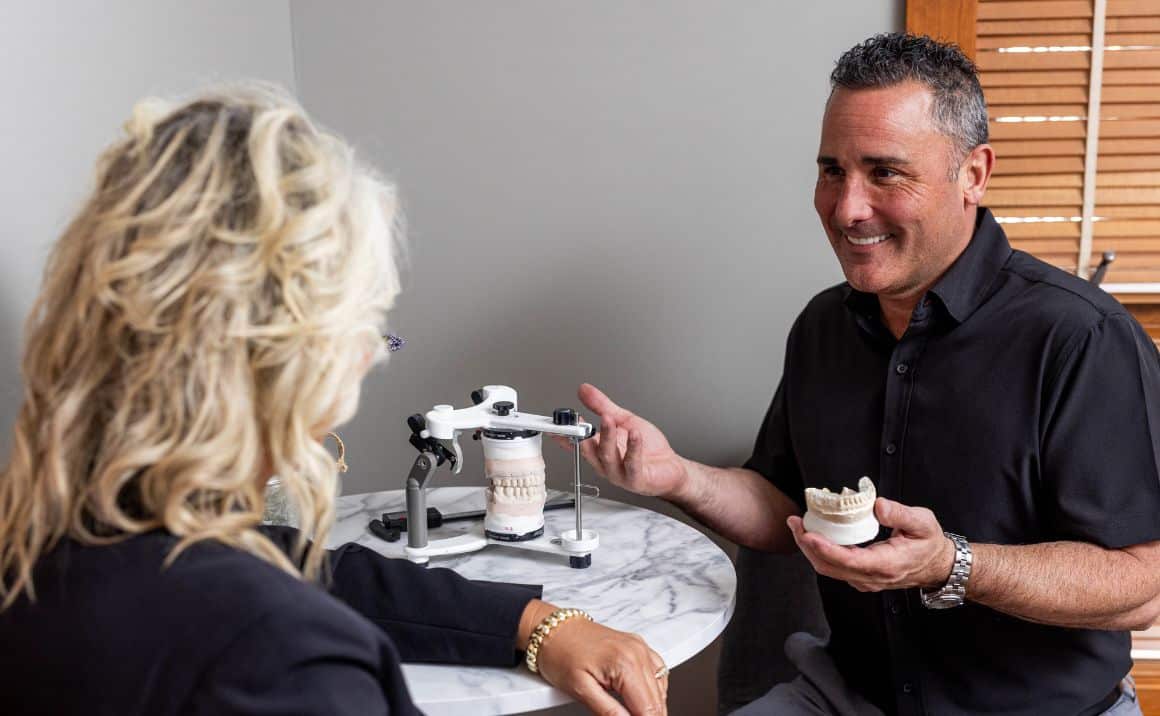
For some patients, oral splint therapy is an effective long-term solution for managing TMJ symptoms. Others may choose to explore reconstructive dentistry after achieving a comfortable, stable jaw position through treatment. In these cases, restorative procedures can be used to support the improvements achieved through the TMJ PRECISION APPROACH™ and create a more stable bite.
As part of TMJ treatment in Detroit, Dr. Jeffrey Haddad carefully evaluates how your teeth come together after symptoms have been stabilized. If significant tooth wear, bite changes, or damaged restorations are present, reconstructive dentistry may be recommended to help maintain a healthier jaw position and improve long-term function. The goal is to create a bite that supports lasting comfort, stability, and oral health.
Completing Your TMJ Treatment Journey
For some patients, reconstructive dentistry represents the final step in creating a healthier, more stable bite after TMJ treatment. By restoring damaged teeth and supporting the jaw position established through oral splint therapy, reconstructive treatment can help improve both function and long-term comfort. As part of the TMJ PRECISION APPROACH™, Dr. Jeffrey Haddad carefully evaluates each patient’s bite, jaw joints, and restorative needs to determine whether reconstructive dentistry may play a role in achieving lasting results. The ultimate goal is not simply to repair damaged teeth, but to create a bite that supports healthy jaw function and helps protect against future wear and dysfunction.
Or Call (248) 480-0085


Start Living Again
Patient Education Articles
Patient Education Articles
Learn more about restorative dentistry and the treatments used to repair damaged, weakened, or missing teeth through our collection of educational articles. These resources are designed to help you better understand your options for restoring the health, function, and appearance of your smile.

Can a Dentist Treat Sleep Apnea?
Yes, a dentist can help treat obstructive sleep apnea after a physician or qualified [...]

Why You Are Still Tired After Sleeping 7-8 Hours
Waking up exhausted after spending a full eight hours in bed is an incredibly [...]

Understanding Your Sleep Apnea Treatment Options
A good night's sleep is essential for your overall health, energy levels, and quality of [...]