



How TMJ Can Contribute To Shoulder And Back Pain
The jaw plays an important role in supporting the muscles of the head and neck. When the jaw joints become unstable or the bite is out of balance, surrounding muscles often compensate to help perform everyday functions such as chewing, swallowing, and speaking. Over time, this compensation can create increased tension throughout the upper body.
As neck muscles become strained, they may recruit muscles in the shoulders and upper back to help manage the workload. This chain reaction can contribute to chronic shoulder pain, upper back discomfort, muscle tightness, reduced mobility, and recurring tension that seems to move from one area to another. Teeth grinding and clenching can further increase muscle strain, making these symptoms even more difficult to resolve. For patients seeking TMJ treatment in Detroit, understanding this connection between jaw dysfunction and body pain can be an important step toward identifying the underlying cause of their symptoms and finding more lasting relief.
When Traditional Treatments Aren’t Enough
Many patients experiencing shoulder and back pain have already tried physical therapy, massage therapy, chiropractic care, stretching programs, or pain medications. While these treatments may provide temporary relief, the symptoms often return because the underlying cause has not been fully addressed.
When jaw dysfunction is contributing to chronic muscle tension, treating the shoulders or back alone may not completely resolve the problem. For some patients, TMJ dysfunction becomes the missing piece that helps explain why neck pain, shoulder pain, and upper back discomfort continue despite multiple treatment attempts. This is especially true when body pain occurs alongside other common TMJ symptoms.
Or Call (248) 480-0085





Could TMJ Be Contributing To Your Symptoms?
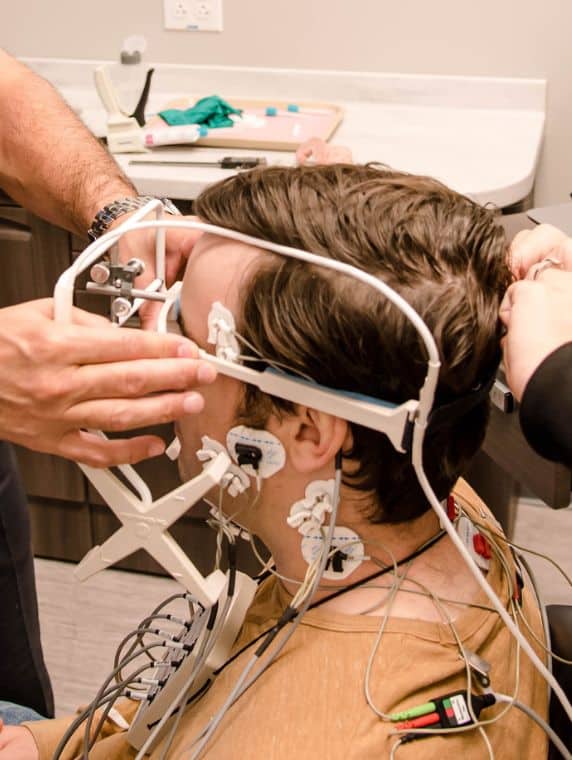
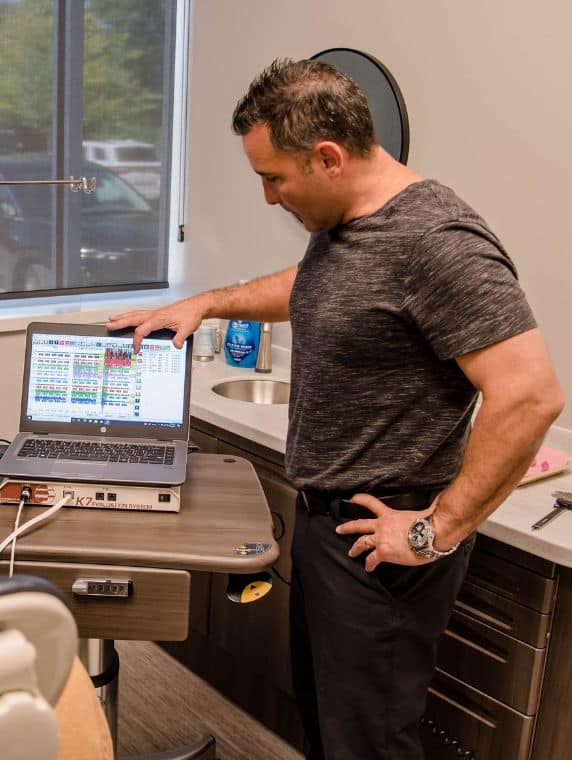
Not every case of shoulder and back pain is caused by TMJ. Through the TMJ PRECISION APPROACH™, Dr. Jeffrey Haddad evaluates how the jaw joints, muscles, bite, and surrounding structures work together to determine whether TMJ dysfunction may be contributing to your symptoms. This comprehensive evaluation helps identify whether the source of your discomfort originates from the jaw or another condition entirely.
If TMJ dysfunction is identified, treatment can be tailored to address the underlying cause rather than simply managing symptoms. If another condition appears responsible, appropriate referrals may be recommended. The goal is always the same: identifying the true source of your pain and helping you find the most effective path toward lasting relief.
Or Call (248) 480-0085



Start Living Again
Patient Education Articles
Patient Education Articles
TMJ disorders can affect more than just the jaw—often contributing to tension, discomfort, and pain in the shoulders, neck, and upper back. Our Patient Education articles explore how these symptoms are connected, along with treatment options that address the underlying cause to help restore comfort and improve daily function.

Why You Are Still Tired After Sleeping 7-8 Hours
Waking up exhausted after spending a full eight hours in bed is an incredibly [...]

Understanding Your Sleep Apnea Treatment Options
A good night's sleep is essential for your overall health, energy levels, and quality of [...]

What Causes Jaw Pain? A Comprehensive Look
Jaw pain can affect far more than your ability to chew. Many patients seeking TMJ [...]
