



Common Signs and Symptoms of Meniere’s Disease
Because some symptoms of Meniere’s Disease overlap with those associated with TMJ disorders, patients seeking TMJ treatment in Detroit often wonder whether jaw dysfunction could be contributing to their condition. Meniere’s Disease can affect each person differently, but several symptoms are commonly associated with the condition.
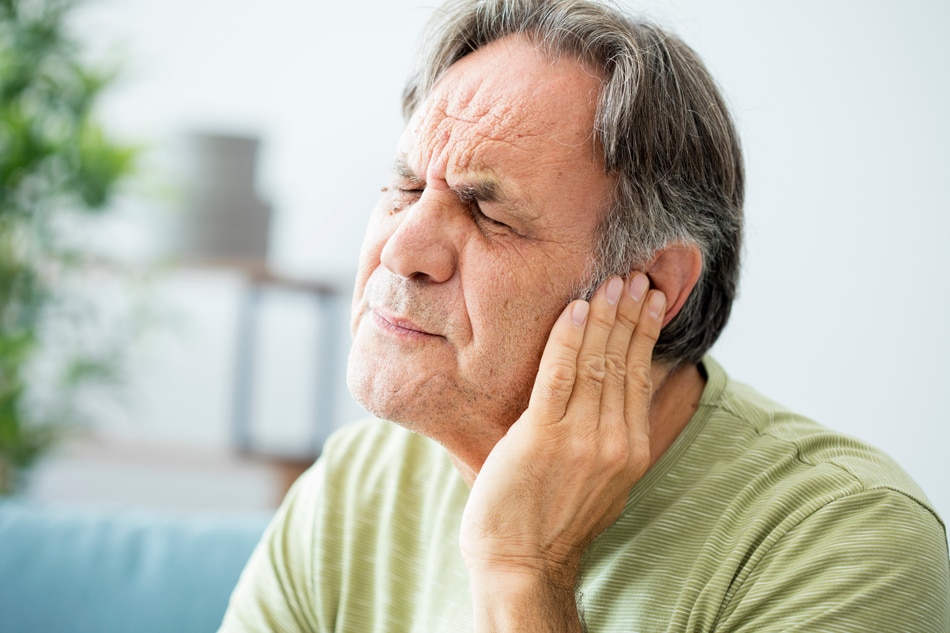
- Hearing Loss – Many individuals experience fluctuating hearing loss, particularly during the early stages of the disease. Hearing may improve between episodes at first, but some patients eventually develop more permanent hearing changes over time.
- Ringing in the Ears (Tinnitus) – Tinnitus is one of the most frequently reported symptoms of Meniere’s Disease. Patients may hear ringing, buzzing, hissing, whistling, roaring, or other sounds that are not caused by an external source.
- Episodes of Vertigo – Vertigo causes a sensation that you or your surroundings are spinning or moving. These episodes often occur without warning and may last anywhere from 20 minutes to several hours. Severe vertigo can also lead to nausea, vomiting, balance problems, and difficulty performing everyday activities.
- Pressure or Fullness in the Ear – Many patients describe a feeling of fullness, congestion, or pressure in the affected ear. This sensation may occur before, during, or after episodes of vertigo and can contribute to overall discomfort.
If you are experiencing symptoms of TMJ, a thorough evaluation can help determine whether Meniere’s Disease, TMJ dysfunction, or a combination of factors may be contributing to your condition. Contact our Detroit TMJ office to schedule an appointment and learn more about your options.
Or Call (248) 480-0085
Understanding the Connection Between Meniere’s Disease and TMD
Meniere’s Disease and temporomandibular joint disorders share many of the same symptoms, which can make diagnosis challenging. In addition to tinnitus, vertigo, and ear discomfort, patients with TMD frequently experience jaw pain, headaches, migraines, neck pain, shoulder tension, and clicking or popping of the jaw.
Many people with chronic ear symptoms are told that their ears appear healthy despite ongoing discomfort. In some cases, the true source of these symptoms may not be the ear itself but rather dysfunction involving the jaw joints, muscles, or bite alignment.
Research has shown that approximately 90% of TMD symptoms are muscular in origin. The trigeminal nerve, which plays an important role in jaw function, also influences structures throughout the face, head, and neck. When the jaw is misaligned or functioning improperly, increased strain on muscles and nerves can contribute to pain and symptoms that radiate well beyond the jaw itself.
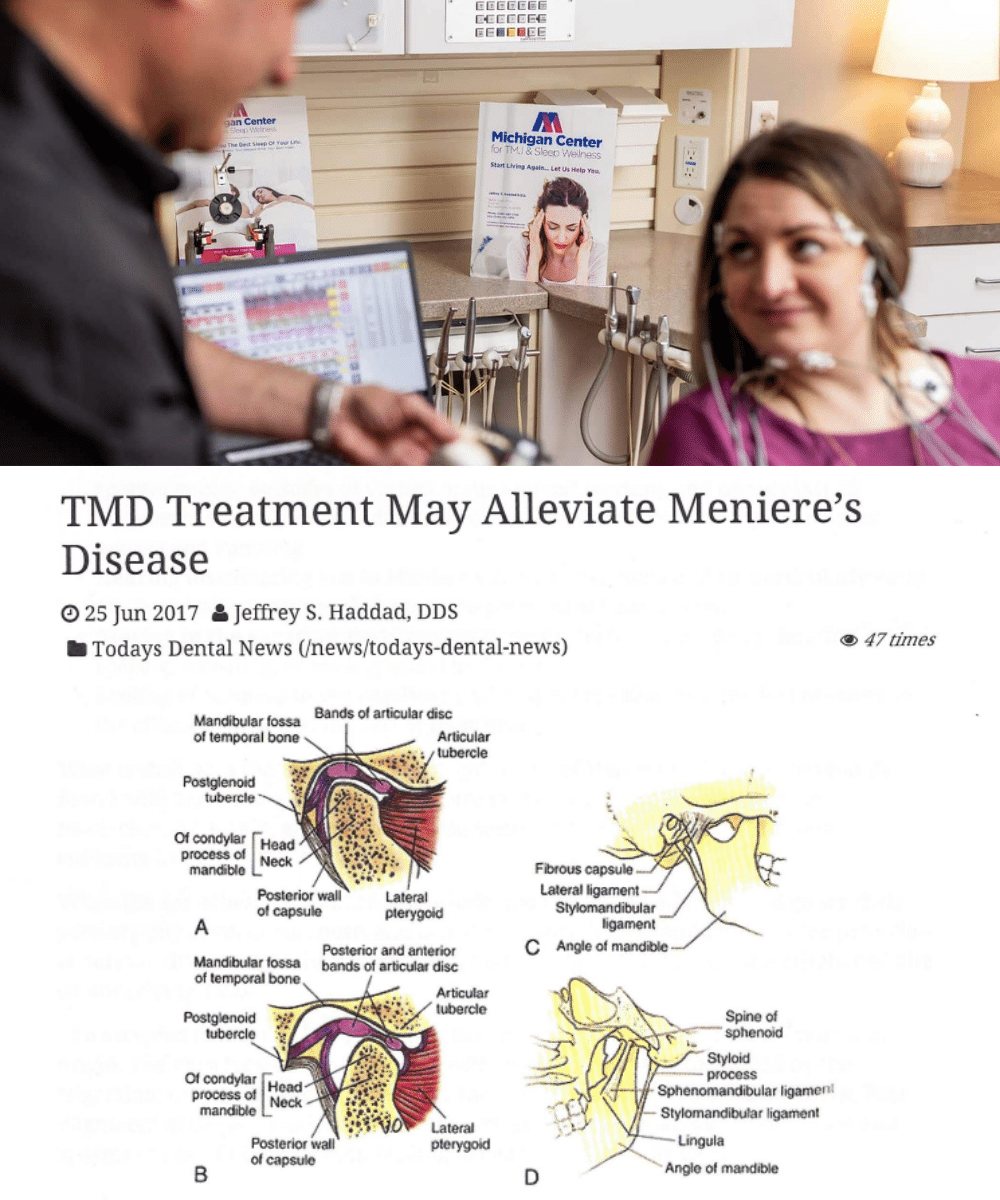

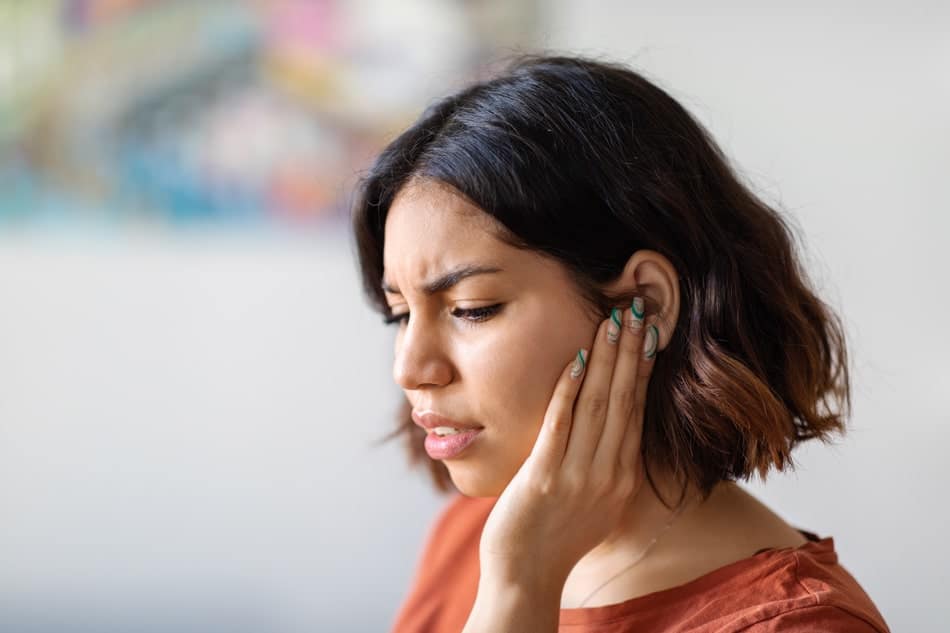
Jaw dysfunction may also affect nearby ear structures. Changes in jaw position and joint mechanics can create pressure on tissues surrounding the ear, potentially contributing to symptoms such as tinnitus, ear fullness, dizziness, and discomfort.
Additionally, when the bite is not properly balanced, muscles responsible for maintaining posture often compensate for the imbalance. Over time, this can create muscle tension, trigger points, and strain patterns that may contribute to symptoms commonly associated with Meniere’s Disease.
Several studies have explored the relationship between TMD and Meniere’s Disease, with findings suggesting that treating underlying jaw dysfunction may improve symptoms in some patients. Clinical experience has supported these observations, providing hope for individuals who have struggled to find effective answers through traditional approaches alone.
Or Call (248) 480-0085


Treatment Options for Meniere’s and Ear Symptoms
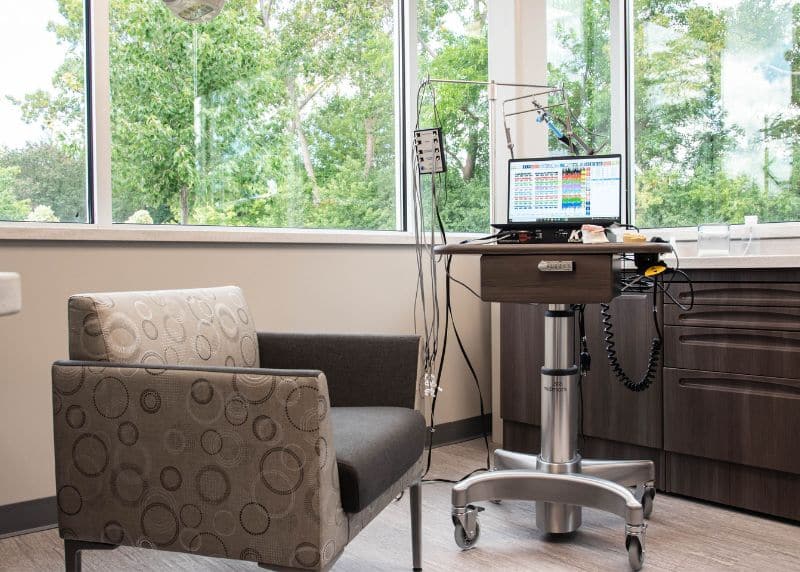
Our goal is to provide a clear, step-by-step path to long-term wellness. We offer non-invasive therapies designed to relax your facial muscles, correct your bite alignment, and relieve the pressure on your ears.
Neuromuscular Dentistry
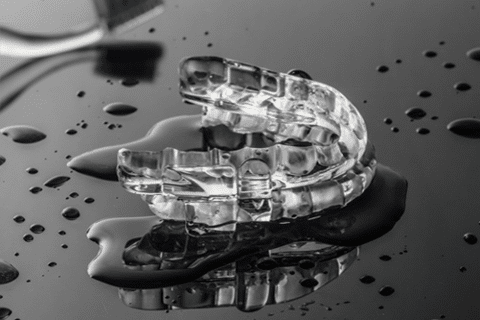
We use non-surgical techniques to find the optimal resting position for your jaw. This often involves a custom oral appliance that supports your bite and reduces the structural strain on your ear canal.
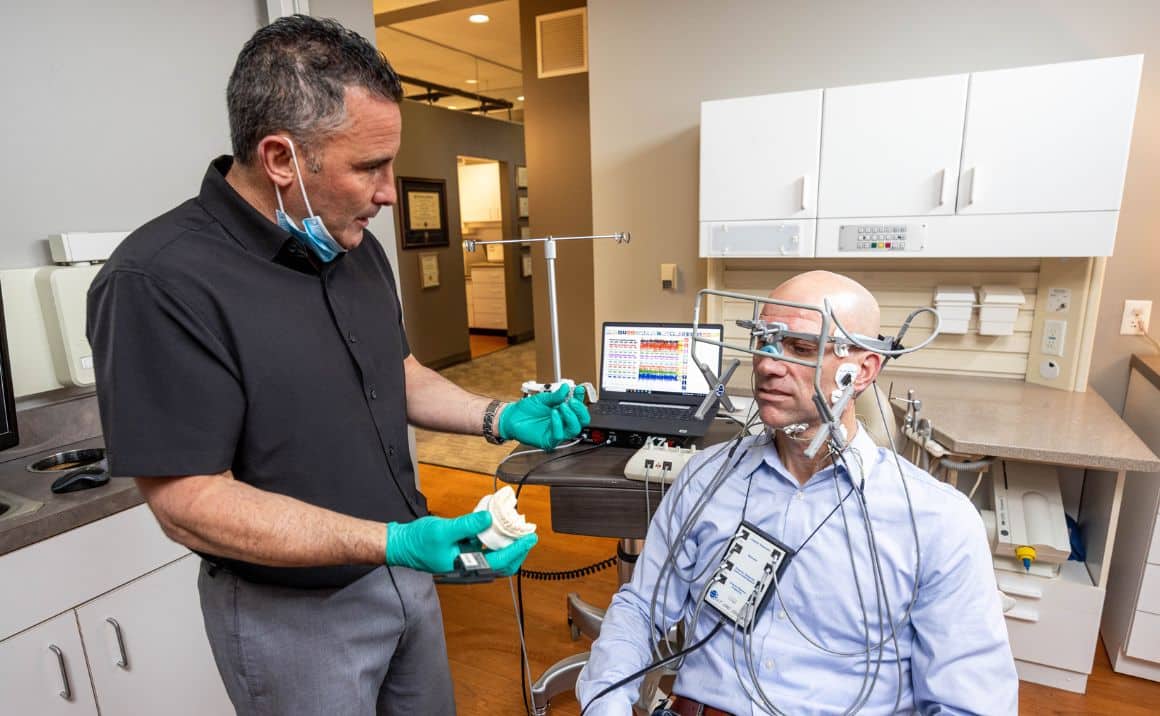
The TMJ PRECISION APPROACH™
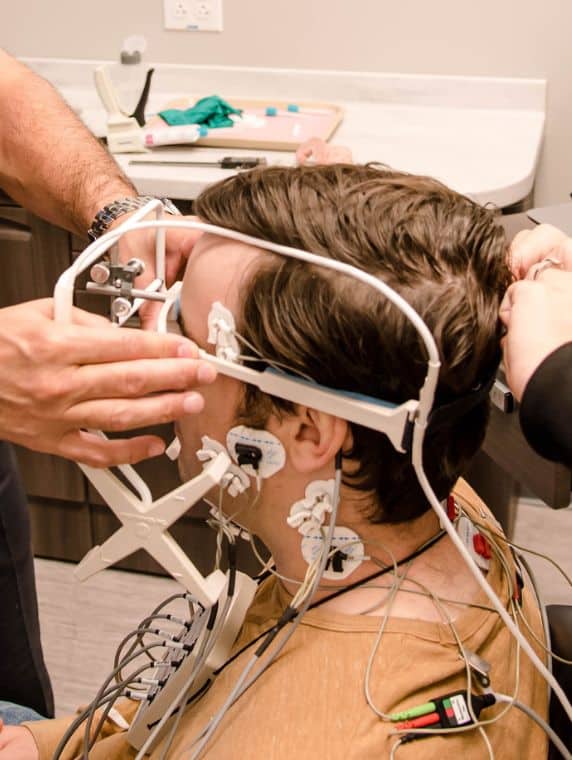
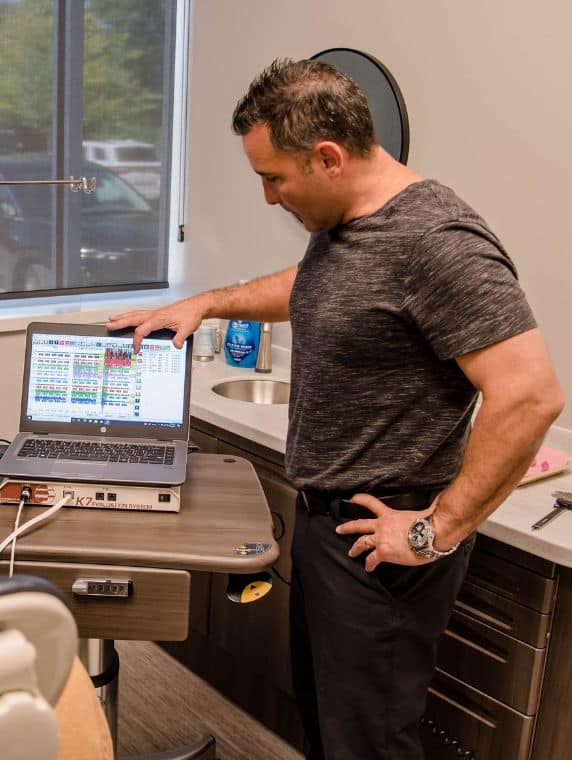
We use this proprietary method to go beyond simply managing your dizziness or ringing in your ears. By gathering objective data, we can create a targeted treatment plan that addresses the root cause of your discomfort.
Collaborative Care
We frequently coordinate with ENT doctors, physical therapists, and other medical professionals to ensure you receive comprehensive support. This team approach helps manage complex cases and provides the best possible outcome for your overall health.

Insights From Dr. Jeff Haddad
The relationship between TMJ disorders and Meniere’s Disease continues to be an area of growing interest. While TMJ is not believed to cause Meniere’s Disease directly, researchers and clinicians have observed that some patients with TMJ dysfunction experience symptoms that closely resemble those associated with Meniere’s, including ear fullness, tinnitus, dizziness, and balance disturbances. Because the temporomandibular joints, jaw muscles, and structures of the ear are located in close proximity and share certain nerve pathways, dysfunction in the jaw may contribute to symptoms that affect the ears and surrounding structures. As a result, patients experiencing both TMJ symptoms and Meniere’s-like symptoms may benefit from a comprehensive evaluation to determine whether jaw dysfunction could be playing a role in their condition.

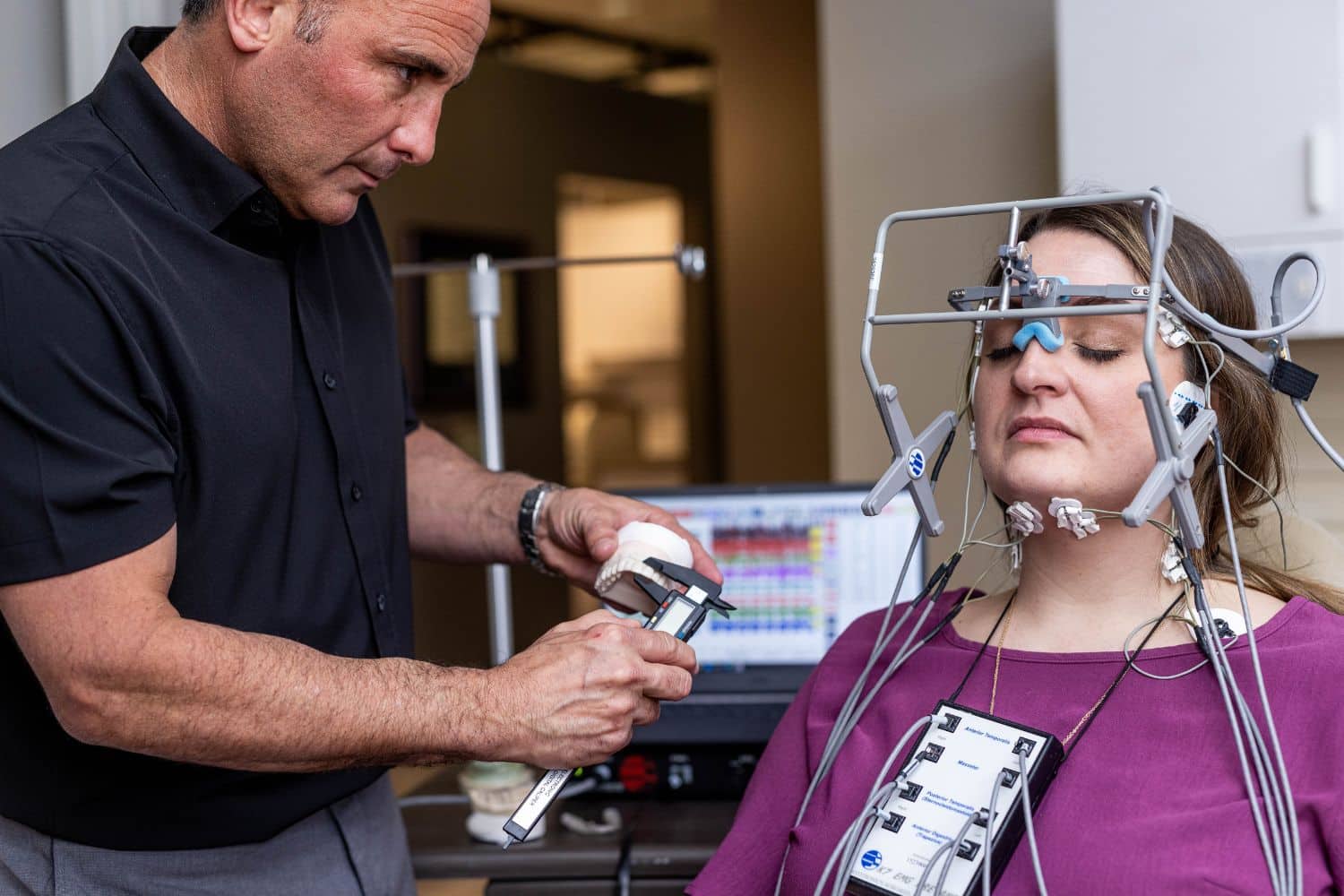
Meniere’s Disease Treatment in Detroit
If you’ve been struggling with Meniere’s Disease, tinnitus, vertigo, ear pressure, or other persistent symptoms without finding lasting relief, it may be time to explore whether TMJ dysfunction is playing a role.
At Michigan Center for TMJ & Sleep Wellness, Dr. Jeffrey Haddad provides comprehensive evaluations and advanced neuromuscular dentistry treatment designed to identify the root causes of your symptoms and help you achieve long-term improvement.
Or Call (248) 480-0085
Frequently Asked Questions
Meniere’s Disease FAQs
Meniere’s Disease FAQs
We understand that navigating chronic ear pain or dizziness can be confusing, especially if previous tests have shown nothing wrong. Here are answers to common questions about our advanced diagnostic approach.
