Why TMJ Symptoms Can Persist After Physical Therapy
Physical therapy may improve movement, muscle flexibility, posture, and pain for many people with TMJ problems. When symptoms continue, that does not mean the therapy was pointless or that you did something wrong.
Jaw symptoms can involve several parts of the system at once. Joint strain, muscle overactivity, clenching, movement patterns, or the way the teeth come together may still deserve attention. Our approach to TMJ treatment in Detroit considers these factors together rather than assuming a single treatment fits every patient.
What Physical Therapy May Help Address
Physical therapy often focuses on how the jaw and surrounding muscles move and function. Care may include exercises, stretching, posture work, and manual techniques.
These methods may help with:
- Jaw and neck mobility
- Muscle tightness
- Posture
- Range of motion
- Habits that strain the jaw
- Jaw and neck mobility
- Muscle tightness
- Posture
- Range of motion
- Habits that strain the jaw
What May Need a Broader Evaluation
Persistent pain can mean more than muscle flexibility or movement is involved. A broader TMJ evaluation may examine joint function, chewing muscle activity, jaw movement, clenching or grinding, and bite relationships.
The goal is not to dismiss previous treatment. It is to understand why symptoms persist and whether another part of the jaw system needs attention.
TMJ Symptoms That May Continue After Physical Therapy
Some people improve during physical therapy but still experience symptoms when chewing, speaking, sleeping, or engaging in daily activities. Others feel better for a time, only to find the discomfort returns.
Symptoms that may deserve another evaluation include:
- Jaw pain or tenderness
- Frequent headaches or migraines
- Ear pressure, discomfort, or tinnitus
- Painful clicking or popping
- Jaw catching, locking, or limited opening
- Facial, neck, or shoulder discomfort
- Clenching or grinding
- Changes in the bite
- Difficulty chewing certain foods
These symptoms can have more than one cause. Our overview of common TMJ symptoms can help you understand what may fit a TMJ pattern.
Or Call (248) 480-0085


The Missing Piece May Be Understanding the Full Jaw System
Pain tells you that something needs attention, but it does not always reveal which part of the system is contributing most. The jaw depends on coordinated movement among the joints, chewing muscles, teeth, and surrounding structures.
When progress has stalled, repeating the same exercises may not answer every question. A broader TMJ assessment can provide more information about jaw movement, muscle function, and the bite.
Or Call (248) 480-0085


How the TMJ PRECISION APPROACH™ Looks Beyond Persistent Symptoms
Dr. Jeffrey Haddad uses the TMJ PRECISION APPROACH™ to evaluate persistent jaw symptoms in a structured way. The process gathers information about factors that may be contributing to pain or limited function, and recommendations always depend on your findings.
Your History
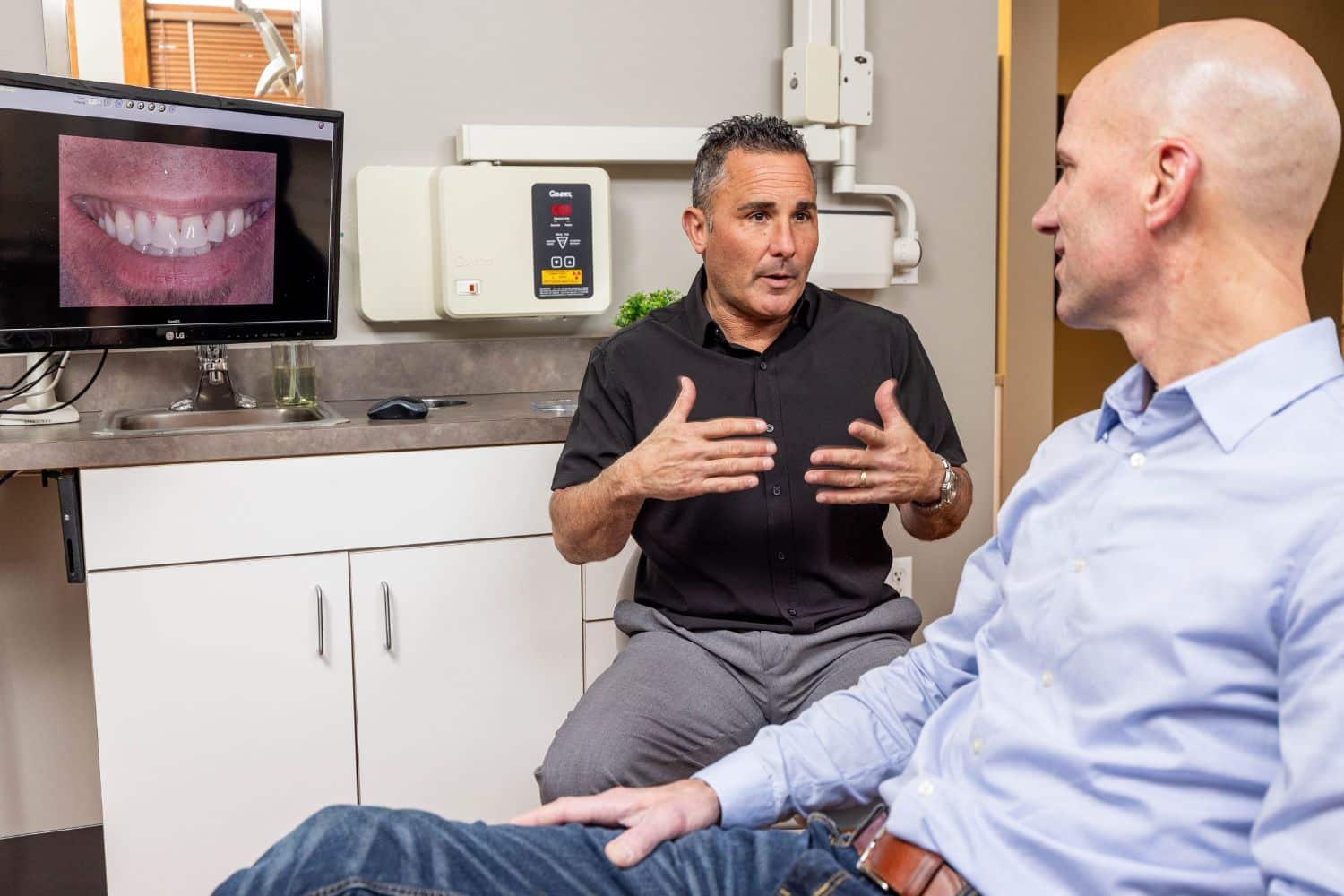
We start with what you’ve already experienced: your current symptoms, when they occur, and what improved or did not improve with physical therapy.
Jaw Function
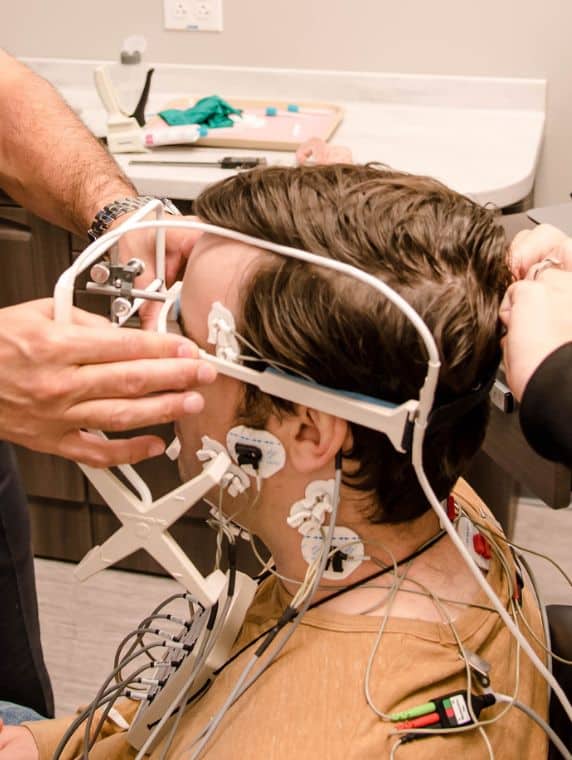
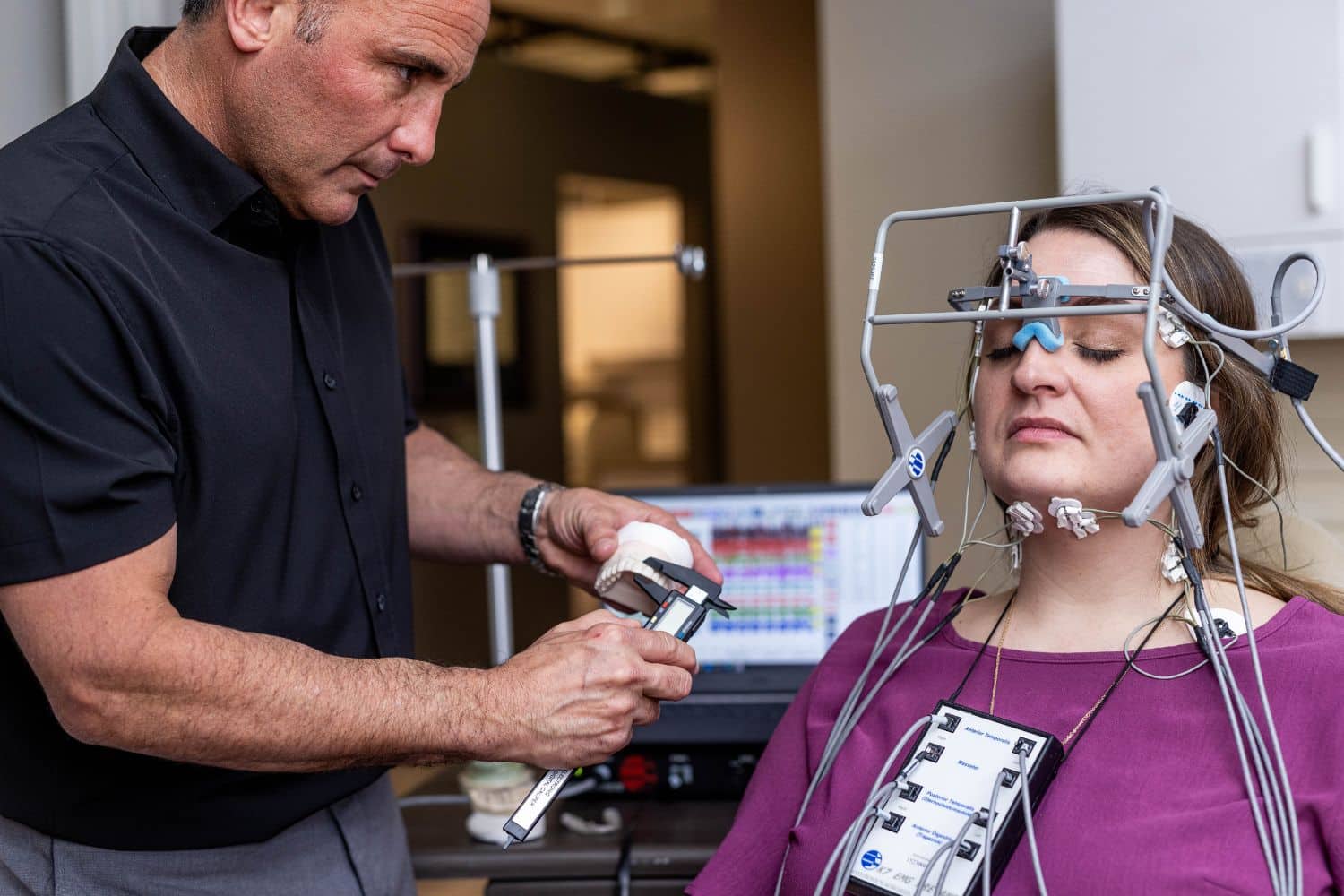
We look at jaw movement and range of motion, along with muscle activity and tenderness, and how the joints themselves are functioning.
Habits and Bite
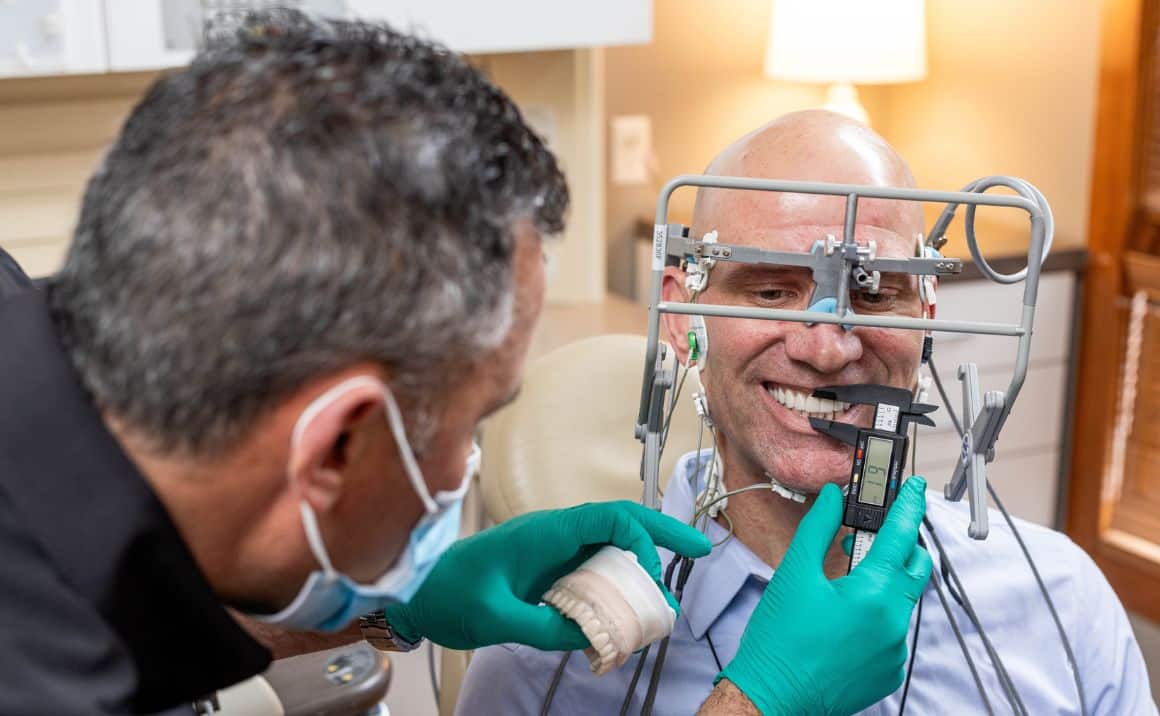
Clenching, grinding, and the way your teeth come together can all contribute to symptoms, so we evaluate them alongside everything else.
Diagnostic Technology
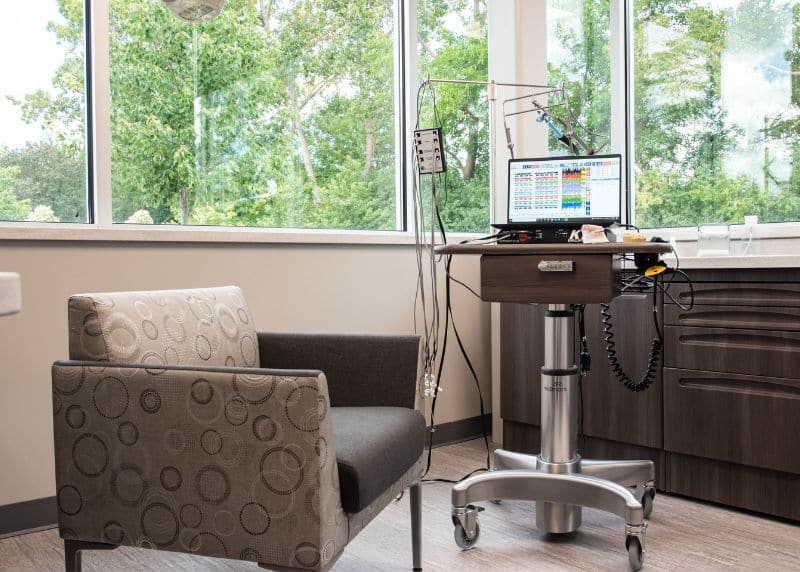
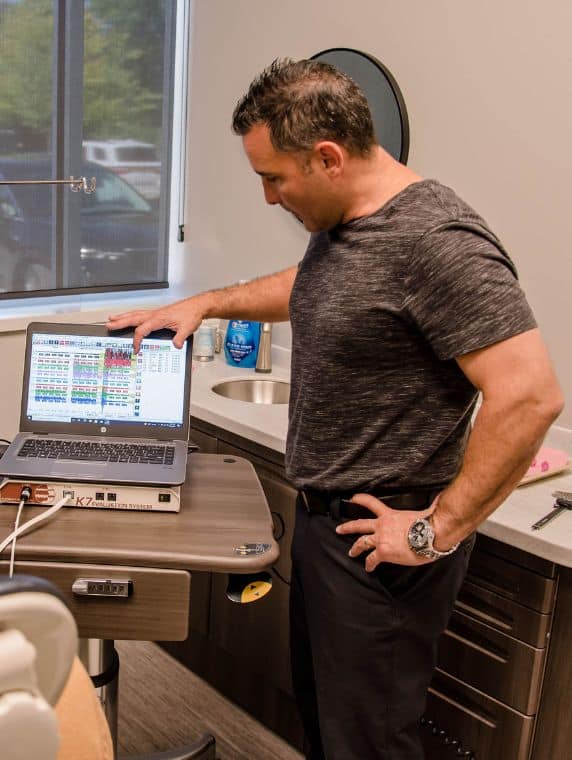
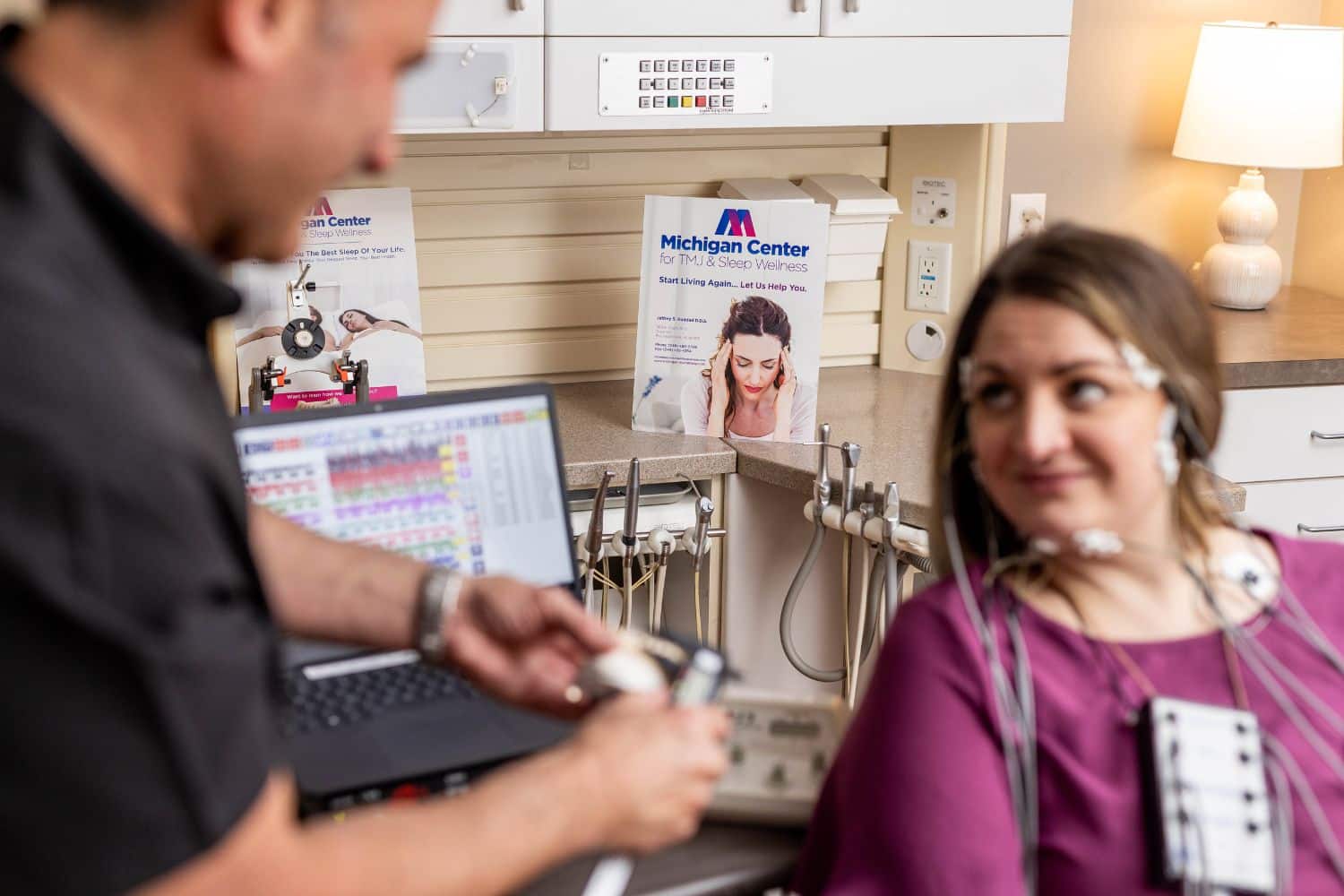
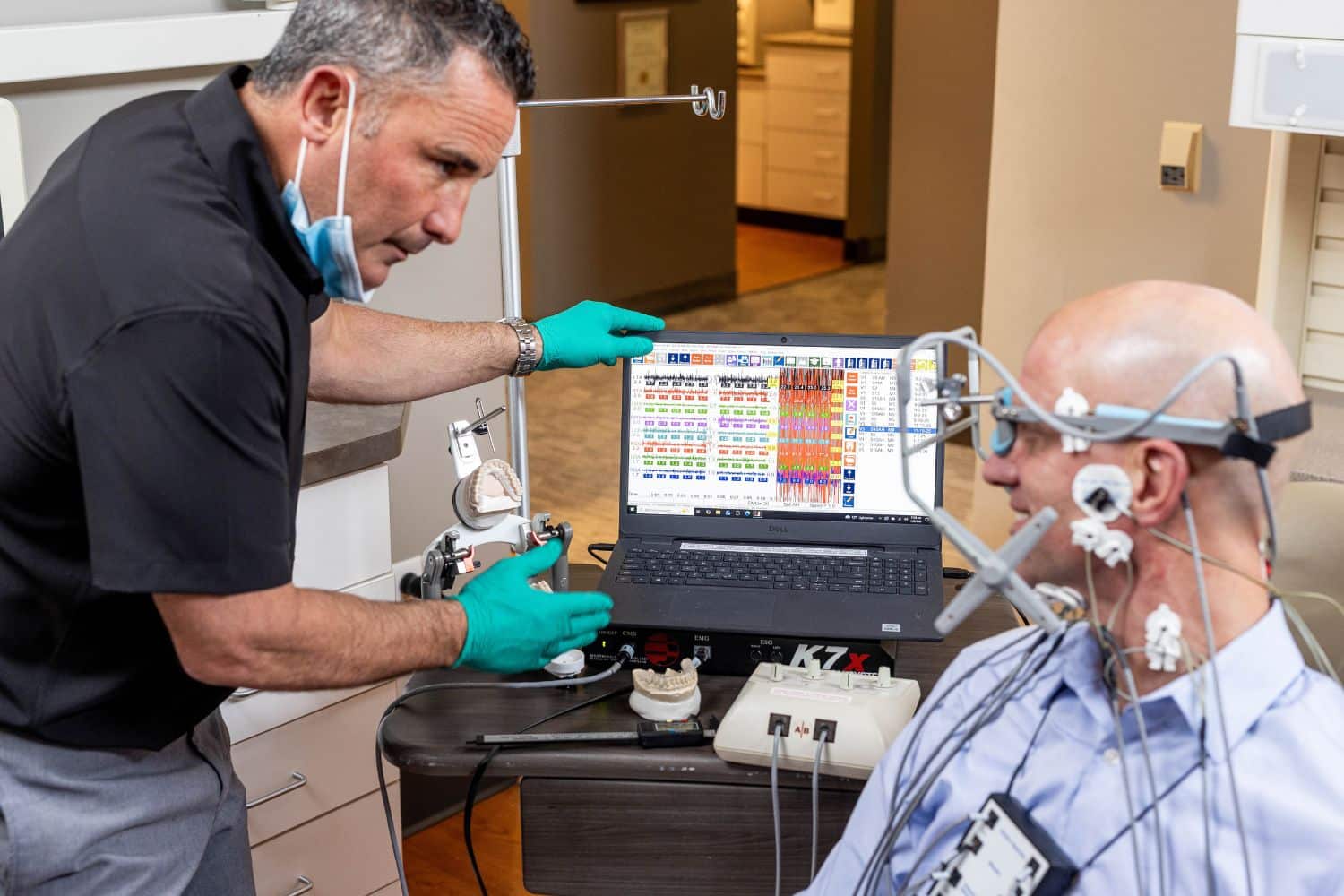
Tools such as the Myotronics K-7 Evaluation System, Dental TENS, CBCT imaging, and digital scanning may support the evaluation. They inform the picture, but your findings guide the recommendations.
What to Expect During Your TMJ Evaluation
A TMJ evaluation starts with what you have already experienced. Previous physical therapy, oral appliances, medications, and other care provide useful context.
We then examine jaw function and discuss what the findings may mean for your next step. Our page on comprehensive TMJ diagnosis explains the diagnostic process in greater detail.
Depending on your findings, the next step may involve TMJ treatment, continued collaboration with another provider, laser TMJ therapy, or another confirmed option that fits your needs.
Or Call (248) 480-0085

Who Should Consider Another TMJ Evaluation?
Another evaluation may be worth considering if symptoms persist after physical therapy or you are still uncertain why your jaw keeps hurting.
You may want another opinion if you:
- Completed physical therapy, but still have jaw pain
- Improved temporarily, but symptoms returned
- Continue to experience headaches or migraines
- Still notice ear pressure, tinnitus, or discomfort
- Have painful clicking, locking, or limited jaw movement
- Have tried several approaches without understanding why symptoms persist
- Want a second opinion before deciding what to do next
A new evaluation does not erase progress from physical therapy. It gives us a chance to look for other factors that may guide care.
Still in Pain After TMJ Physical Therapy?
If you have completed physical therapy but still have jaw pain, headaches, ear symptoms, clicking, locking, or limited movement, another evaluation may help clarify what to do next. Michigan Center for TMJ & Sleep Wellness helps Detroit-area patients understand factors that may be affecting jaw function.
Request a TMJ evaluation or call Michigan Center for TMJ & Sleep Wellness to discuss ongoing TMJ symptoms after physical therapy.
Or Call (248) 480-0085

Frequently Asked Questions
Physical Therapy for TMJ FAQs
Physical Therapy for TMJ FAQs
Patients who have already tried physical therapy often want to know whether they should continue, stop, or explore another type of care. These answers address common questions about persistent TMJ symptoms.