



Could Your Snoring Be Related To Sleep Apnea?
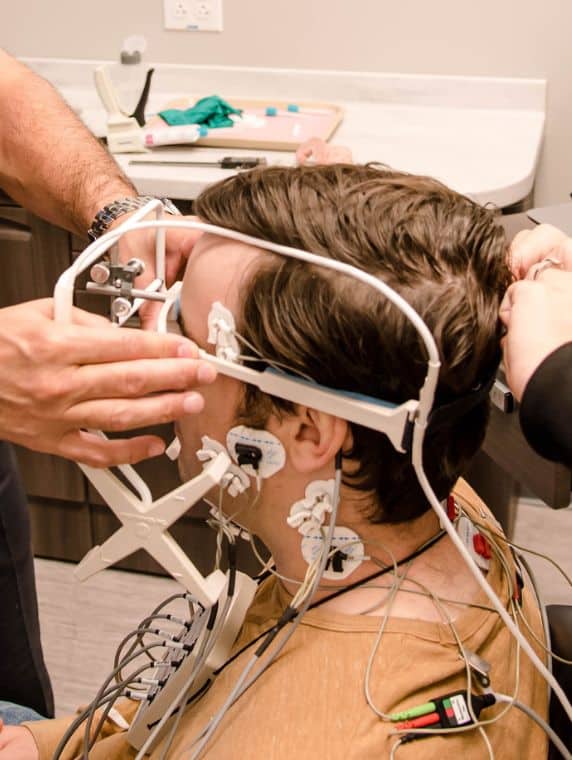
Snoring can sometimes be an early warning sign that breathing is not functioning as efficiently as it should during sleep. As the airway narrows, airflow becomes restricted and sleep quality may suffer. For some individuals, this restricted airflow is associated with obstructive sleep apnea, a condition that can contribute to symptoms such as daytime fatigue, morning headaches, difficulty concentrating, memory problems, and waking up feeling unrested.
Even when sleep apnea is not present, chronic snoring can still disrupt healthy sleep patterns and affect overall quality of life. For patients considering snoring treatment in Detroit, understanding the relationship between snoring and sleep apnea is an important step toward identifying the cause of symptoms and selecting the most appropriate treatment approach.
Risks Associated With Chronic Snoring
While snoring is often viewed as a nuisance, ongoing snoring may be associated with broader health concerns, particularly when it is related to restricted airflow during sleep.
Potential concerns linked to chronic snoring include:
- Poor sleep quality and fragmented sleep
- Excessive daytime fatigue
- Difficulty concentrating and memory problems
- Increased risk of drowsy driving and accidents
- Disrupted sleep for bed partners and family members
- Elevated risk of high blood pressure
- Increased cardiovascular strain
- Possible association with a higher risk of stroke
- Greater likelihood of an underlying sleep breathing disorder such as sleep apnea
Because chronic snoring and sleep apnea often occur together, a comprehensive evaluation can help determine whether additional treatment may be beneficial for your long-term health and quality of life.
Or Call (248) 480-0085





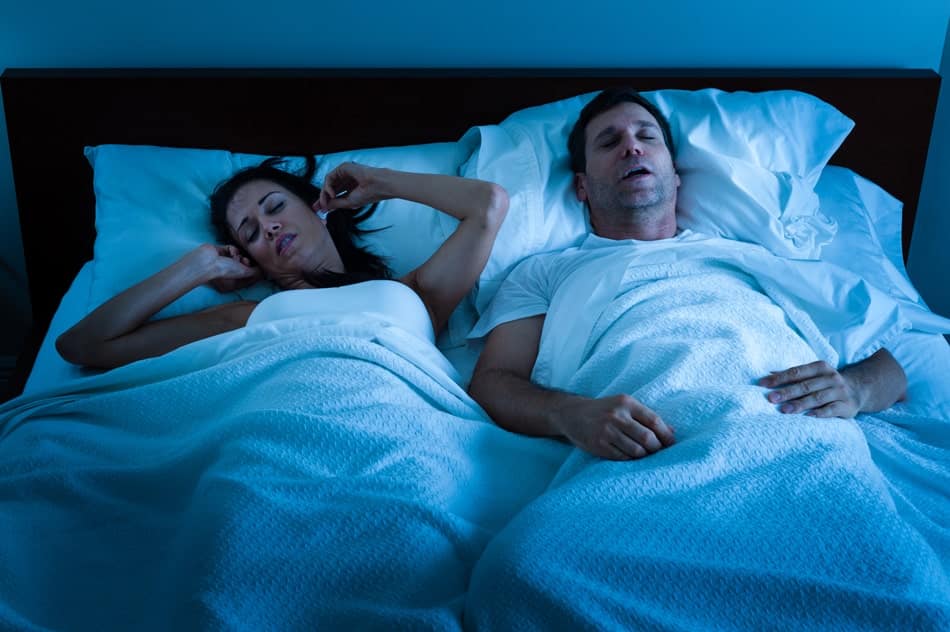
How Snoring Can Affect Relationships
Chronic snoring does not just affect the person who snores. It can also disrupt the sleep of spouses, partners, and family members who share the same sleeping environment. When one or more people consistently lose sleep, it can contribute to daytime fatigue, irritability, difficulty concentrating, and increased stress.
Over time, disrupted sleep may place strain on relationships and affect overall household well-being. Many patients seek snoring treatment in Detroit not only to improve their own sleep quality, but also to help their partners enjoy more restful, uninterrupted sleep. Addressing the underlying cause of snoring can often lead to better sleep, improved energy levels, and a healthier home environment for everyone involved.
Or Call (248) 480-0085




Why You Are Still Tired After Sleeping 7-8 Hours
Waking up exhausted after spending a full eight hours in bed is an incredibly [...]

Understanding Your Sleep Apnea Treatment Options
A good night's sleep is essential for your overall health, energy levels, and quality of [...]

What Causes Jaw Pain? A Comprehensive Look
Jaw pain can affect far more than your ability to chew. Many patients seeking TMJ [...]
