



What Causes Jaw Popping
People are tempted to disregard jaw popping or clicking because it sounds like cracking your knuckles, which most people believe is harmless. In reality, though, the sounds are caused by very different phenomena, and a clicking jaw is a serious cause for concern.
Cracking your knuckles is caused by the sudden expansion of the knuckle joint, which is a simple linear joint with cartilage bathed in fluid and the entire joint encased in a capsule. When you expand the knuckle, you dramatically decrease the pressure in the joint, which causes gases dissolved in the joint fluid to come out of solution, creating the sound you hear.
In your jaw joint, the sound comes from a dislocated disc. The disc is not in the proper position when your jaw is closed or only slightly open, but when you open wide enough, it can slip back into place, causing that popping sound. Whether or not you experience pain along with your jaw popping, you should take it seriously and seek TMJ treatment in Detroit to address the underlying problem before it worsens.
How Jaw Popping Leads to Locked Jaw
As your disc displacement worsens, there may come a time when your jaw will not open at all or will have a very limited range of motion. This occurs when the cushioning disc can no longer slip back into place. At this stage, many people also experience significant jaw pain, difficulty chewing, and increased jaw stiffness. By the time these symptoms develop, it may be too late to rely solely on noninvasive TMJ treatments.
Or Call (248) 480-0085




Worse Sounds Are to Come
Obviously, if the cushioning disk is not in the joint, there is little or nothing cushioning the bones from rubbing against each other. Only the ligament that is supposed to hold the disc in place is there. As it gets worn down, the bones will begin to grind against each other.
This grinding sound is called crepitus, and it is the sound of irreversible damage being done to your jaw joint. It is the sound of impending invasive jaw surgery. It is a sound you never want to hear.
Early treatment of TMJ can often help the cushioning disk to stay in place, stopping the progress of the condition. The sooner treatment is initiated the more likely it is to succeed with needing to resort to more invasive treatments.
Or Call (248) 480-0085
Find Relief From Jaw Clicking in Detroit
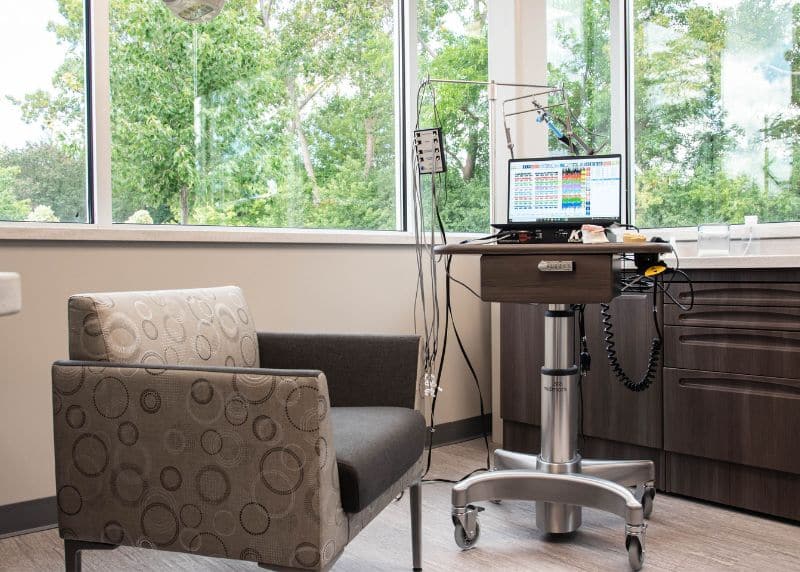
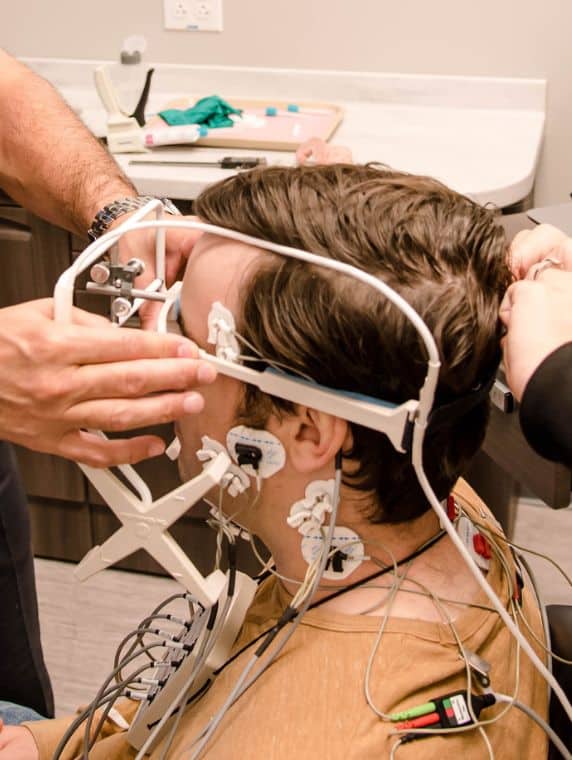
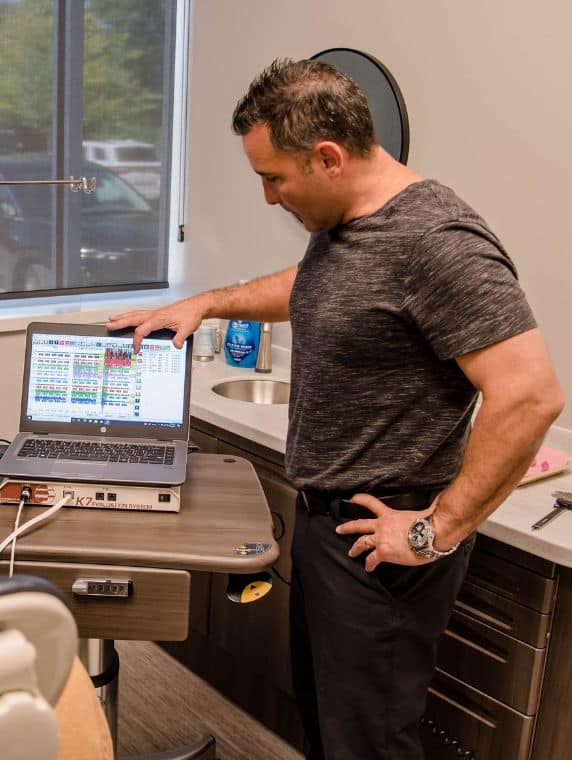
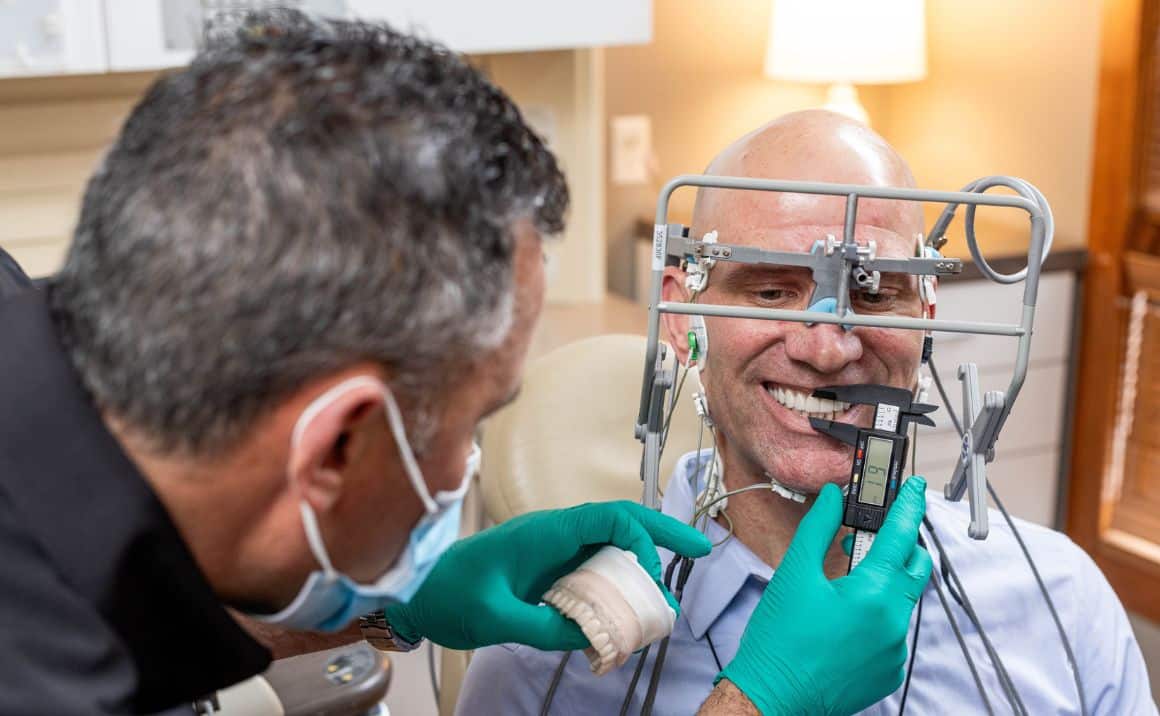
If your jaw clicks, pops, catches, or feels like it may lock when you open and close your mouth, it is important not to ignore these warning signs. Jaw popping is often an indication that the jaw joint is not functioning properly, and the condition may continue to worsen over time. At Michigan Center for TMJ & Sleep Wellness, Dr. Jeffrey Haddad uses advanced diagnostic technology to identify the source of TMJ-related symptoms and develop a personalized treatment plan designed to protect your jaw joints, reduce discomfort, and help prevent long-term damage.
Or Call (248) 480-0085


Start Living Again
Patient Education Articles
Patient Education Articles
Jaw pain, headaches, facial tension, and clicking or popping joints can all be signs of a TMJ disorder. Our Patient Education articles provide helpful information about the causes of TMJ-related symptoms, available treatment options, and steps you can take to improve your comfort and quality of life. Explore the resources below to learn more about achieving lasting relief from jaw pain.

Can a Dentist Treat Sleep Apnea?
Yes, a dentist can help treat obstructive sleep apnea after a physician or qualified [...]
Why You Are Still Tired After Sleeping 7-8 Hours
Waking up exhausted after spending a full eight hours in bed is an incredibly [...]

Understanding Your Sleep Apnea Treatment Options
A good night's sleep is essential for your overall health, energy levels, and quality of [...]