



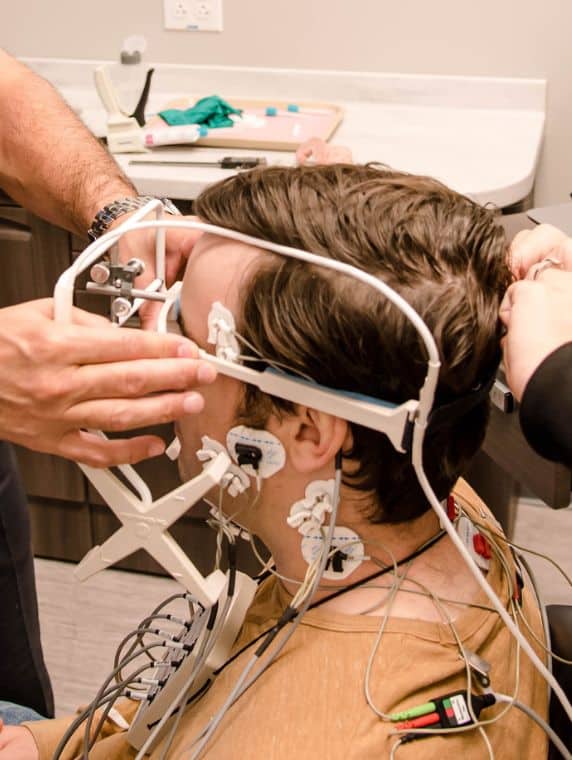
Although pain is most commonly felt in the jaw or as headaches, TMJ pain can also affect the face and neck. This pain is often related to an imbalance among the muscles that control the jaw joint. The jaw muscles themselves may be the source of the discomfort, or they may place additional strain on nearby muscles that share the workload. An imbalanced jaw can even contribute to pinched nerves in the neck, creating a different type of pain altogether. TMJ treatment in Detroit focuses on identifying the underlying cause of these symptoms and restoring proper jaw function.
Causes of TMJ Face Pain
If you experience face pain related to your TMJ, it usually comes from one of three sources:
- Muscle pain
- Nerve pain
- Referred pain
Muscle pain is one of the most common TMJ symptoms and can often be felt in areas beyond the jaw itself. Although this discomfort originates in the muscles that control jaw movement, it may be perceived as facial pain because the chewing muscles attach behind and above the eyes, in the cheeks, and around the nose. As a result, many people experiencing TMJ symptoms describe the sensation as face pain rather than jaw pain.
Or Call (248) 480-0085


Other times, your face pain may be related to pinched or pressured nerves. This could lead to aching, dull pain, or sharp, electric pains. You might also experience tingling and numbness in the affected areas.
Other times, you might be experiencing referred pain that is actually being caused elsewhere but is being felt as facial pain. The most common referred pain that is confused with face pain is dental pain. If TMJ is causing significant damage to your teeth, then it’s likely that your facial pain is actually related to tooth damage.
Or Call (248) 480-0085


Causes of TMJ Neck Pain
As with other types of pain, the most common cause of neck pain in TMJ is muscle tension. When your jaw joint is imbalanced, and jaw muscles are working inefficiently or even against each other, jaw muscle fatigue sets in. Fatigued muscles often recruit neighboring muscles to help them out. These recruited muscles can also get tired and sore.
Or Call (248) 480-0085
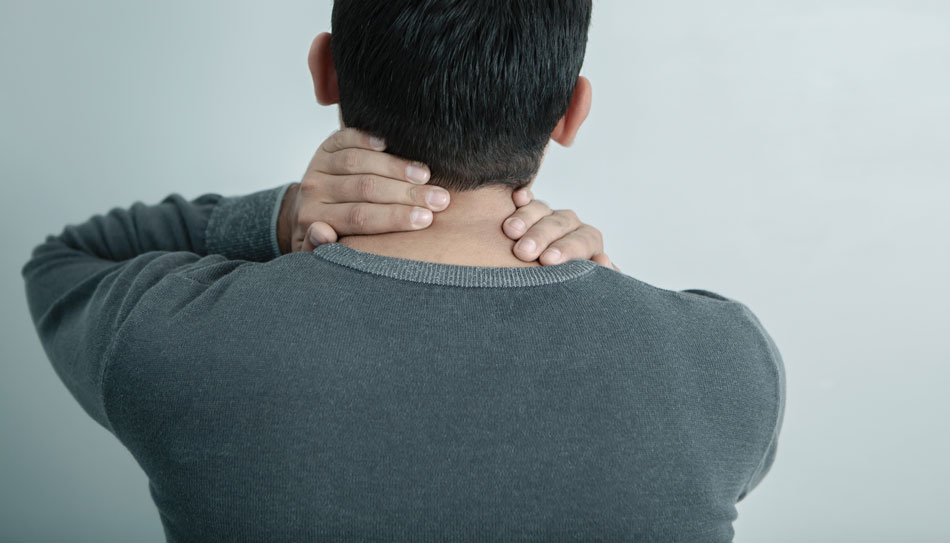

But sometimes you may experience pinched nerves that result in neck pain. The human spinal column is a delicately stacked tower of blocks held in place by various muscles in the back and neck. When the jaw joint recruits neck muscles disproportionately on one side, it can pull the neck out of alignment. When this happens, the space for nerves to emerge from the spine becomes restricted on one side, leading to pressured or pinched nerves. This can cause pain or tingling and numbness, either locally in the neck or as far away as the fingers.
Or Call (248) 480-0085



Start Living Again
Patient Education Articles
Patient Education Articles
Our patient education library offers trusted information on TMJ disorders, diagnosis, and treatment options. Explore expert resources designed to help you better understand your condition and the solutions available to support long-term comfort and function.

Why You Are Still Tired After Sleeping 7-8 Hours
Waking up exhausted after spending a full eight hours in bed is an incredibly [...]

Understanding Your Sleep Apnea Treatment Options
A good night's sleep is essential for your overall health, energy levels, and quality of [...]

What Causes Jaw Pain? A Comprehensive Look
Jaw pain can affect far more than your ability to chew. Many patients seeking TMJ [...]